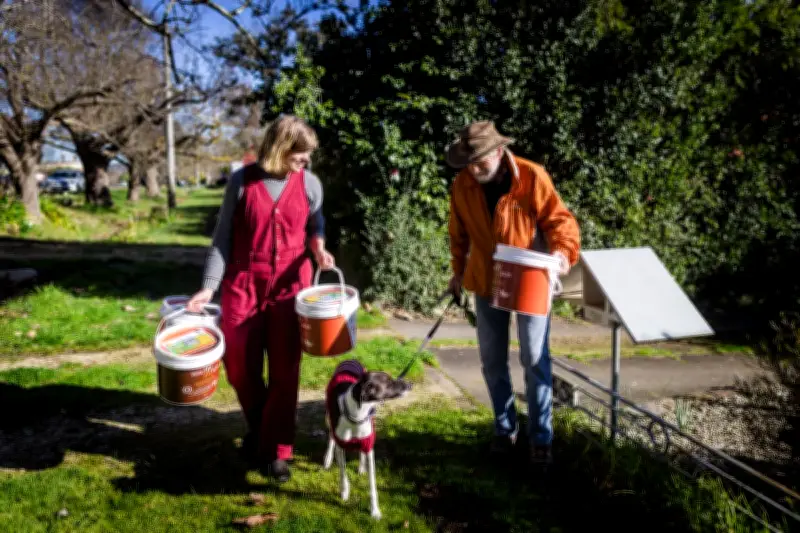
The Victorian government has announced a ban on kitchen scraps and garden cuttings from landfill, set to take effect from 2027, in a major push to reduce methane emissions and increase composting rates across the state.
New Rules for Households and Businesses
From 2027, all households and businesses in Victoria will be required to separate food and garden waste from general rubbish. The ban covers fruit and vegetable scraps, meat, dairy, and garden clippings, which currently make up about 40% of household waste going to landfill.
According to Environment Minister Steve Dimopoulos, the policy aims to cut methane emissions from landfill by 75% by 2030. "This is a common-sense step that will turn waste into a resource," he said. "Every Victorian can play a part by putting their kitchen scraps and garden cuttings into the green bin."

Methane Reduction and Compost Benefits
Food and garden waste in landfill decomposes without oxygen, producing methane, a potent greenhouse gas. The ban is expected to divert 1.5 million tonnes of organic waste annually from landfill, significantly reducing emissions.
Composting this material will create a valuable soil conditioner for farms, parks, and gardens. The government plans to invest $50 million in new composting facilities and kerbside collection systems to support the transition.
Implementation and Support
The ban will be phased in from 2027, with councils receiving funding to provide households with kitchen caddies and compostable liners. Businesses, including cafes and restaurants, will also be required to separate organic waste.
"We're giving Victorians the tools they need to do the right thing," Dimopoulos added. "This policy will create jobs in recycling and composting, and help us build a circular economy."
The move follows similar bans in South Australia and the ACT, where kerbside food and garden waste collection has already reduced landfill volumes significantly. Victoria is the last mainland state to introduce such a ban.