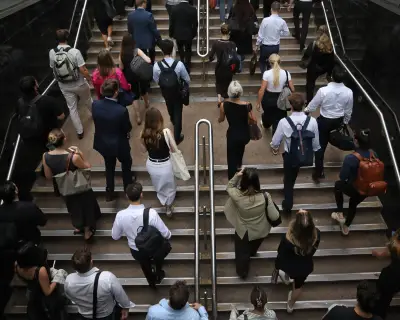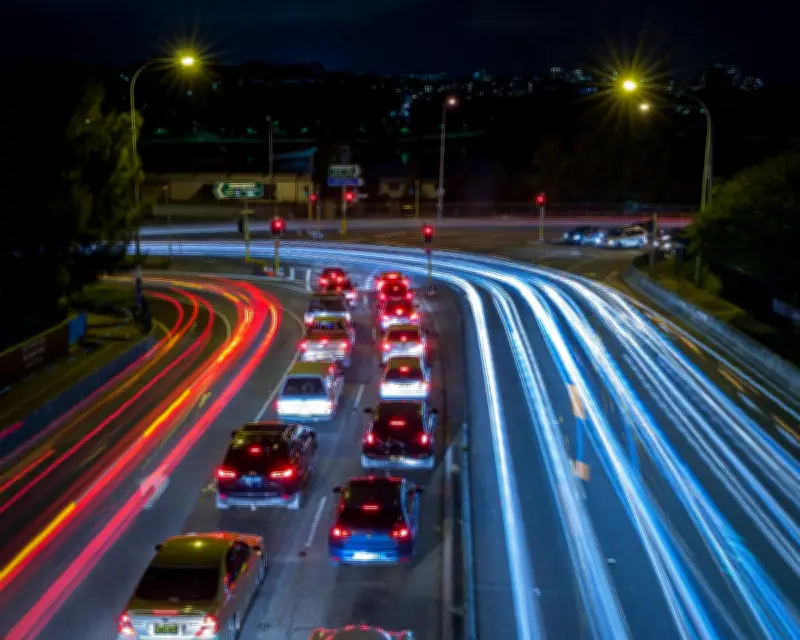
The New South Wales government has unveiled a budget aimed at easing cost-of-living pressures, including a $100 reduction in vehicle registration and a lowered weekly toll cap from $60 to $50 for 12 months. Public transport fares will also be frozen for one year, with the Opal system's weekly cap remaining at $50.
Budget Deficit Worsens Before Surplus
Australia's most populous state is forecast to plunge into a worse-than-expected $2.3 billion deficit in 2026-27, before rebounding to a $1.1 billion surplus the following year. This would be the state's first surplus since the pandemic. NSW Labor expects the surplus to grow to $1.9 billion by 2029-30. Gross debt levels are projected to breach $200 billion by 2027-28, higher than previously anticipated.
Cost-of-Living Relief for Working Families
Treasurer Daniel Mookhey framed the budget as a means to create a "state working families can afford" to live in, noting that "it's too expensive to buy a house and too expensive to rent." The toll cap reduction will particularly benefit drivers in Sydney's west, where many marginal seats are held by Labor. The government has also introduced interest-free loans for solar and energy-saving installations.

Property Market Impact
Recent rate hikes and a souring outlook have prompted an $8.4 billion reduction in anticipated transfer duties and land tax over the four years to 2030. However, strong returns from the state's OneFund investment vehicle and higher mineral royalties from thermal coal demand have partially offset this decline.
Spending Restraint and Credit Rating
The government plans to keep expense growth at 2.7% over the budget years to avoid fuelling inflation. NSW retains its triple-A credit rating with Fitch and Moody's, and an AA+ from S&P Global. The budget includes $1.1 billion in contingency funding for 2026-27 for yet-to-be-finalized spending, which may include a firearm buy-back and the Tomago aluminium smelter bailout.
Election Focus on Western Sydney
With a state election due in March 2027, the budget targets western Sydney, home to many marginal seats. About $4.1 billion of the $9.2 billion school infrastructure spend will go to new schools and upgrades in the region. Record health spending also benefits the west. Labor's primary vote is at 32%, with the Coalition on 26% and One Nation on 22%, according to a May Resolve poll.