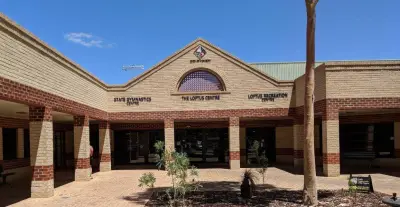
Voters in the Northern Territory are casting their ballots today in a closely watched election, with the territory’s economy, housing crisis, and cyclone preparedness taking centre stage. Polls opened at 8am local time across 25 electorates, with both major parties making final pitches to undecided voters.
Cyclone Threat Looms Over Election Day
A tropical low off the coast of Darwin has intensified into a category one cyclone, expected to cross the coast near the Cobourg Peninsula late tonight. The Bureau of Meteorology has issued a warning for damaging winds and heavy rain, urging residents to finalise preparations. Emergency services are on standby, with polling booths in remote communities advised to have contingency plans.
Chief Minister Natasha Fyles said the government has activated the territory’s emergency response plan, adding that “safety is our top priority” as the cyclone approaches. Opposition leader Lia Finocchiaro criticised the government’s handling of previous natural disasters, claiming “Territorians deserve better planning.”

Housing and Cost of Living Dominate Campaign
According to a recent poll by the Australia Institute, housing affordability is the number one issue for 42% of NT voters. Both Labor and the Country Liberal Party have pledged to build more public housing and offer stamp duty concessions. Labor promises 1,000 new homes over four years, while the CLP counters with a plan to fast-track approvals on vacant land.
“The cost of living is crushing families,” said Alice Springs resident Sarah Johnson. “We need real action, not just promises.” The median house price in Darwin has risen 15% in the past year to $580,000, according to Real Estate Institute of Australia data.
Economic Challenges and Remote Communities
The NT economy, heavily reliant on gas exports and tourism, has struggled post-pandemic. Unemployment sits at 4.8%, above the national average. Remote Indigenous communities face particular challenges, with poor access to healthcare and education. The election outcome could determine the pace of infrastructure spending in these areas.
Both leaders have pledged to improve services in remote communities, but critics argue that past promises have not been fulfilled. The Australian Electoral Commission reports that around 30% of eligible voters in remote areas have already cast early ballots, a record high.
Polls close at 6pm local time, with results expected late tonight. The cyclone is predicted to make landfall after dark, potentially affecting counting in some areas.