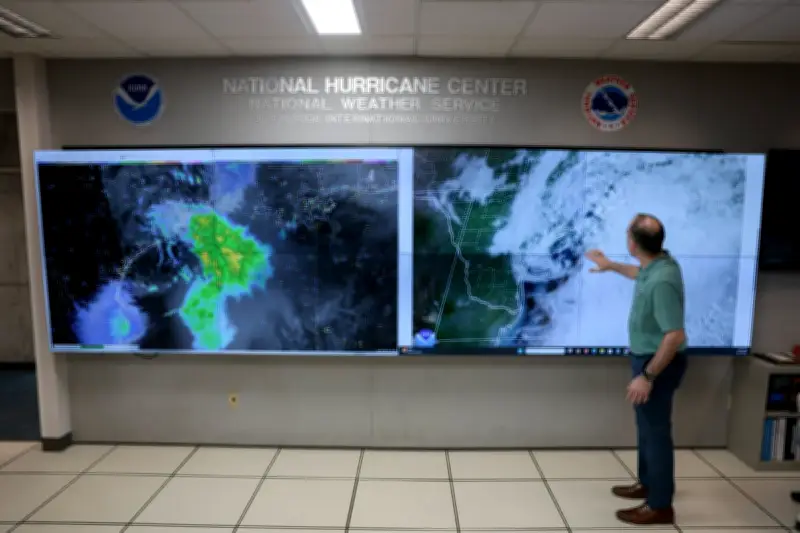
Tropical Storm Arthur has become the first named storm of the Atlantic hurricane season, forming earlier than usual and prompting warnings along the US East Coast. The storm, which developed over the weekend, is currently moving northwestward with sustained winds of 65 km/h, according to the National Hurricane Center.
Early Season Activity
Arthur's formation marks the sixth consecutive year that a named storm has appeared before the official June 1 start of the Atlantic hurricane season. Meteorologists attribute this trend to warmer ocean temperatures and changing climate patterns. The storm is expected to bring heavy rain and gusty winds to coastal areas from Florida to North Carolina over the next few days.
Potential Impacts
While Arthur is not predicted to strengthen into a hurricane, it could still cause localized flooding and beach erosion. Residents in affected areas are advised to monitor updates and prepare for possible power outages. The storm's path remains uncertain, but forecast models suggest it may veer out to sea later this week.

Emergency management officials in several states have activated monitoring protocols. The National Hurricane Center emphasizes that even weak tropical storms can be dangerous, particularly for boaters and swimmers. Arthur is expected to bring 50 to 75 millimeters of rain to some regions, with isolated totals up to 100 millimeters possible.
This early start to the season serves as a reminder for coastal communities to review their hurricane preparedness plans. The Atlantic hurricane season officially runs from June 1 to November 30, with peak activity typically occurring from mid-August to late October.