The Guardian has published an editorial reflecting on the role of literature and culture during times of war. The piece argues that words do not stop when the bombing begins, and that artistic expression remains a crucial part of human resilience.
Literature as a Beacon in Darkness
In the face of conflict, literature offers a space for reflection, empathy, and continuity. The editorial emphasizes that even amid destruction, writers and artists continue to create, documenting experiences and preserving humanity. The act of reading and writing becomes an act of defiance against the dehumanizing effects of war.
Historical Context
Throughout history, wars have often sought to silence voices, but literature has persisted. From the trenches of World War I to the bombed cities of World War II, poetry and prose have provided comfort and critique. The Guardian draws on examples of works born from conflict, highlighting how they shape our understanding of war's impact.

Contemporary Relevance
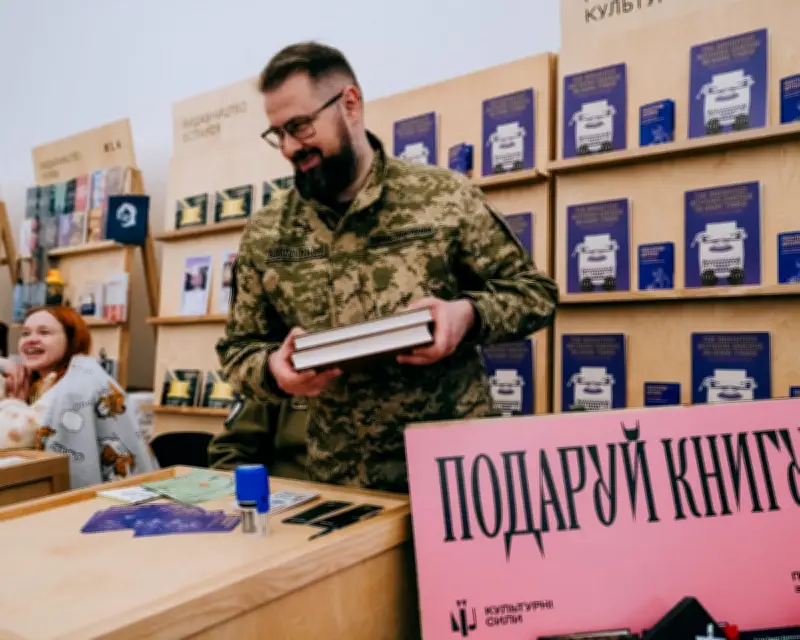
In today's conflicts, from Ukraine to Gaza, writers continue to risk their lives to tell stories. The editorial calls for support of these voices, arguing that cultural preservation is as important as physical safety. It warns against the neglect of arts funding during crises, noting that culture is not a luxury but a necessity.
The Power of Words
The piece concludes that literature does not offer easy answers, but it does offer a way to process trauma and maintain hope. The Guardian urges readers to remember that even in the darkest times, words have the power to connect, heal, and resist.