A comprehensive new analysis has quantified the immense global financial burden resulting from the ongoing US-Israel military campaign against Iran. The report, released by independent economists, estimates the total cost has already exceeded $2.5 trillion, with projections suggesting it could surpass $5 trillion by year's end if hostilities continue.
Direct Military Expenditures
The bulk of the costs stem from direct military spending by the United States and Israel. The US has allocated over $800 billion for operations in the region, including naval deployments, airstrikes, and logistical support. Israel's military expenditure has risen to approximately $150 billion, straining its economy. These figures do not include the cost of replacing destroyed equipment or long-term veteran care.
Infrastructure Destruction
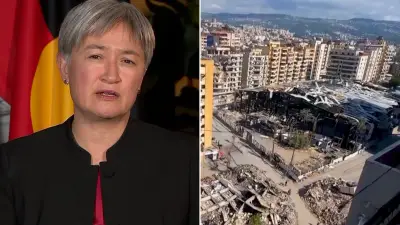
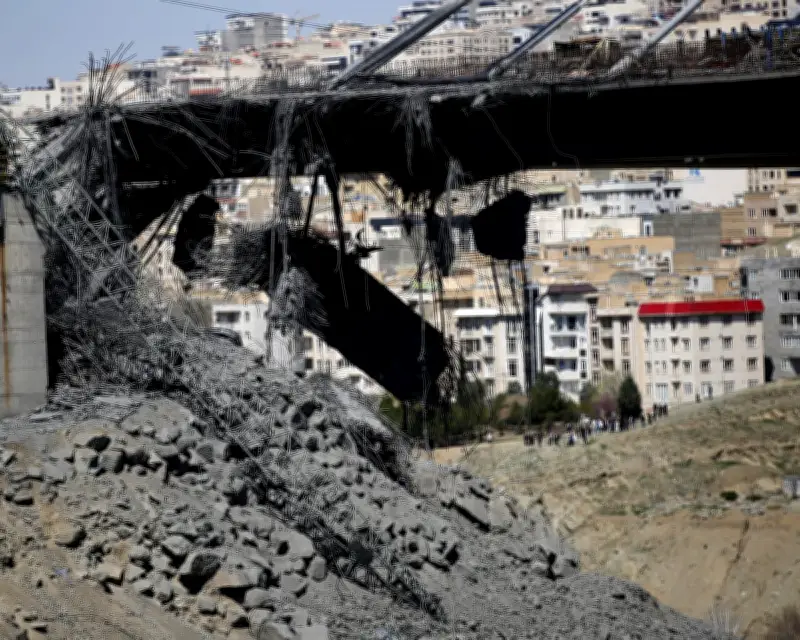
Iran's infrastructure has been devastated by sustained bombing campaigns. Key oil refineries, power plants, and transportation networks have been severely damaged. Reconstruction costs are estimated at $400 billion, with the Iranian government unable to fund repairs due to sanctions. The destruction has also disrupted global oil supplies, causing energy prices to spike worldwide.

Humanitarian Crisis
The conflict has triggered a severe humanitarian crisis. Over 10 million Iranians have been displaced internally, while 2 million have fled to neighboring countries. International aid agencies require $50 billion for emergency relief, but funding has fallen short. The UN reports that 15 million people face food insecurity, and healthcare systems are collapsing under the strain.
Global Economic Ripple Effects
The war's impact extends far beyond the region. Global trade routes through the Strait of Hormuz have been disrupted, raising shipping costs and delaying deliveries. Stock markets have experienced volatility, and investors have shifted to safe-haven assets. The World Bank estimates that global GDP growth has slowed by 1.5 percentage points due to the conflict.
Environmental Damage
Military operations have caused significant environmental damage. Oil spills from bombed tankers and refineries have polluted the Persian Gulf, affecting marine life and coastal communities. The use of depleted uranium munitions has raised concerns about long-term health risks. The environmental cleanup cost is projected at $100 billion over the next decade.
Regional Instability
The war has destabilized the broader Middle East. Militant groups have intensified attacks on US and Israeli interests, forcing increased security spending. Countries like Saudi Arabia and the UAE have bolstered their defenses, diverting funds from social programs. The conflict has also strained diplomatic relations between major powers, complicating efforts to address other global challenges.
Long-Term Consequences
Economists warn that the long-term costs will be even higher. Interest payments on war-related debt, lost productivity, and reduced investment will weigh on economies for decades. The psychological trauma and social fragmentation in Iran will hinder recovery. The report concludes that the true cost of the war may never be fully calculated, but its effects will be felt for generations.