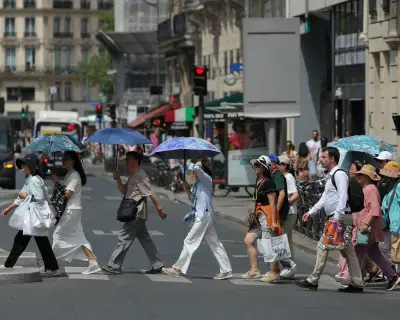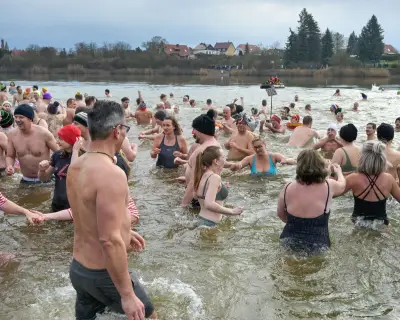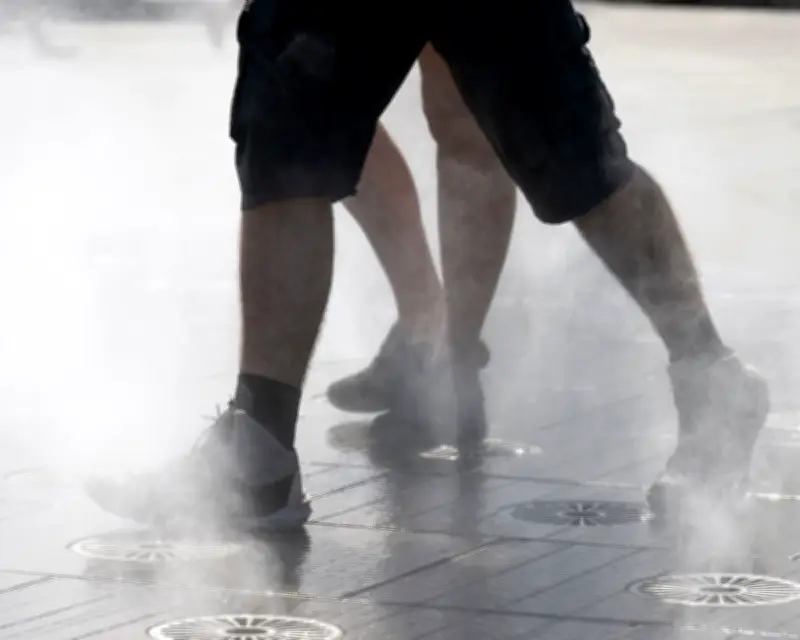
Central and eastern Europe are bracing for a dangerous heatwave that could push temperatures above 40°C (104°F) in some areas, according to meteorologists. The extreme weather event is expected to begin this weekend and persist into early next week, affecting countries including Poland, Czech Republic, Slovakia, Hungary, Austria, and parts of Germany.
Record-Breaking Temperatures Expected
The Hungarian Meteorological Service has issued a red alert for much of the country, warning that temperatures could reach 42°C in the southern regions. Similarly, the Polish Institute of Meteorology and Water Management has forecast highs of 38°C in Warsaw and up to 40°C in the south. In the Czech Republic, temperatures are expected to soar to 39°C in Prague and Brno, breaking June records.
According to climatologist Dr. Marta Szabo of the Eötvös Loránd University in Budapest, “This heatwave is exceptional due to its intensity and duration. The combination of high temperatures, humidity, and lack of nighttime cooling poses severe health risks, especially for the elderly and those with pre-existing conditions.”

Health and Infrastructure Impacts
Authorities across the region have activated emergency response plans, opening cooling centers and advising residents to stay indoors during peak heat hours. In Hungary, the government has ordered the distribution of free drinking water in public spaces and extended operating hours for air-conditioned public buildings. The Czech Republic has deployed additional medical staff to handle heat-related emergencies.
Rail operators in Austria and Hungary have warned of potential speed restrictions due to the risk of rail buckling, while power grids are under strain from increased air conditioning use. The European Environment Agency reports that heatwaves are becoming more frequent and intense due to climate change, with this event part of a broader trend.
Wildfire Risk Escalates
The heatwave has also heightened the risk of wildfires, particularly in forested areas of Slovakia and northern Hungary. Firefighters in both countries have been placed on high alert, with additional aerial firefighting resources prepositioned. In Poland, authorities have banned campfires and the use of open flames in national parks.
Meteorologists expect temperatures to moderate by mid-week, but caution that the risk of thunderstorms and flash floods may follow as a cold front moves in. The heatwave serves as a stark reminder of the urgent need for climate adaptation measures, according to environmental groups.