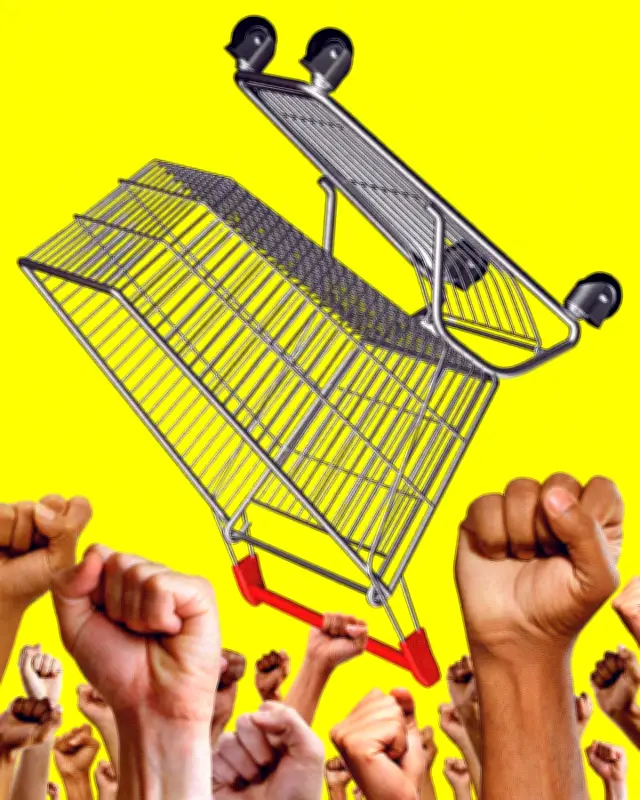
American consumers are increasingly frustrated, with nearly 80% reporting a service or product problem in 2025, and about two-thirds experiencing rage, according to the National Consumer Rage survey. This anger stems from overcharges, poor customer service, shoddy products, and billing errors that favor companies, all amid soaring prices and inflation.
The Annoyance Economy
Lisa, a 60-year-old marketing executive in Washington DC, faced three corporate battles in two days: a vet overcharge, a coupon not applied at checkout, and a denied insurance claim. She described it as “Whac-a-Mole,” finishing one problem only to face another. Sally Greenberg of the National Consumers League calls it “a war on consumers,” with households hit by a “tsunami of fees and hidden charges.”
While consumers enjoy more choices and higher expectations from innovations like delivery-on-demand, Wharton marketing professor Peter Fader notes that “service just sucks” and technology is often used against them. The Groundwork Collaborative estimates US households lose $165 billion annually to the “annoyance economy,” impacting quality of life amid political chaos and inequality.

Chad Maisel, co-author of the Annoyance Economy report, says spending hours on hold leaves consumers too drained for community activities, creating a “very toxic cycle.” Scott Broetzmann of CCMC links public reaction to the United Healthcare CEO killing to widespread frustration and powerlessness, warning companies to take everyday customer pain seriously.
Federal Retreat
Consumer rights advocates say the Trump administration is weakening government watchdogs. In 2023, Toyota Motor Credit was ordered to pay $60 million for selling unwanted insurance and making cancellation difficult. But acting CFPB head Russell Vought terminated the payout agreement in May 2025, part of broader cuts that have gutted the agency. By October 2025, Vought had dismissed 42 agreements with companies that ripped off consumers, according to Protect Borrowers.
Greenberg says this signals companies to “rip off, lie, cheat” without consequences. However, the FTC under Chris Mufarrige has taken action against auto dealers, Instacart, and Meta. States are also stepping up, with California suing Amazon and New York City reviving “click to cancel” rules. But overall, federal budgets have been slashed, and veteran officials fired.
This rollback isn’t new, but since Trump’s re-election, it has accelerated. Supreme Court rulings have weakened consumer protection, backed forced arbitration, and made restitution harder.
The Nader Era
The golden age of consumer protection in the 1960s and 1970s, led by Ralph Nader, brought federal safety standards and the Fair Credit Act. But a conservative pushback in the 1980s labeled activists “busybodies,” and corporate power is now “enormous and pretty much unchecked,” says Cornell’s Lawrence Glickman. Despite rising frustration, there’s deep suspicion that government can help.
Nader, now 92, says consumer power has never been weaker, calling corporate supremacy “staggeringly greater than 1970.” Ira Rheingold of the National Association of Consumer Advocates says Congress is useless for now, but a wave of civil litigation is coming as law firms see increased demand.
Journalism’s ‘Death Valley’
Consumer journalism has declined sharply since the 1970s, when 50 regional papers had consumer reporters. Advertiser pushback and the collapse of local journalism have left a void. Since 2000, nearly 3,500 local newspapers have vanished, and remaining ones lack business sections, says Jane Sasseen of CUNY. Chris Elliott calls consumer journalism “Death Valley.”
Nonetheless, some watchdog media persist. Consumer Reports pushed Instacart to abandon algorithmic pricing, ProPublica examined drug pricing, and the Guardian’s The Price We We series sparked action. Citizen journalists online share tips on cutting bills and expose corporate control. But Jeffrey Timmermans of Arizona State University says fewer journalists mean companies get away with more.
In coming weeks, Consumed will explore common frustrations, corporate changes, and powerful advocates. American consumers are encouraged to share their experiences at consumed@theguardian.com.