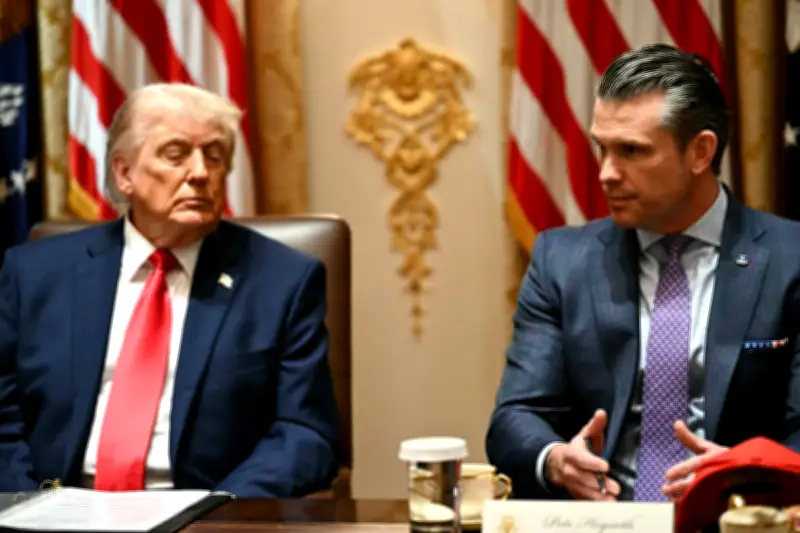
The White House has formally requested $20bn from Congress to cover the costs of a potential military confrontation with Iran, according to administration officials. The request, sent to Capitol Hill on Thursday, outlines funds for troop deployment, munitions, and intelligence operations, marking a significant escalation in the administration’s posture toward Tehran.
Details of the funding request
The $20bn request includes $10bn for the Department of Defense to cover immediate operational costs, $5bn for replenishing precision-guided munitions, and $5bn for intelligence, surveillance, and reconnaissance activities. Officials emphasized that the funds are intended as a contingency measure, not a declaration of war. “This is about being prepared for any scenario, not about launching a conflict,” a senior administration official said, speaking on condition of anonymity.
Congressional reaction
The request has divided lawmakers. Some Republicans have expressed support, arguing that the funds are necessary to deter Iranian aggression. “We must ensure our military has the resources it needs to protect American interests,” said Senator Tom Cotton (R-AR). However, many Democrats and anti-war groups have criticized the move, warning it could pave the way for unauthorized hostilities. “This request is a backdoor to war,” said Representative Pramila Jayapal (D-WA). “Congress must not give the president a blank check for military action without a proper debate and vote.”

Historical context and legal implications
The funding request comes amid heightened tensions following a series of incidents in the Persian Gulf. The administration has cited the need to protect shipping lanes and counter Iranian proxy forces. Legal experts note that while the president has authority to use force in self-defense, a large-scale conflict would require congressional approval under the War Powers Resolution. The request does not explicitly authorize war, but critics argue it effectively provides the means for unilateral action.
Impact on budget and diplomacy
The $20bn request would add to the already strained federal budget, with some lawmakers questioning the offset. Meanwhile, diplomatic efforts continue, with European allies urging restraint. “We believe there is still room for negotiation,” a State Department spokesperson said. The administration insists the funding is not a substitute for diplomacy but a necessary precaution. The request is expected to face weeks of debate in Congress, with a vote likely later this summer.