The United States military launched a series of airstrikes against Iranian-linked targets in the Gulf region early Wednesday, following a drone attack on an oil tanker near the strategic Strait of Hormuz. The strikes mark a significant escalation in the ongoing tensions between Washington and Tehran, raising fears of a broader conflict in the vital waterway through which about a fifth of the world's oil passes.
Drone Attack Sparks Retaliation
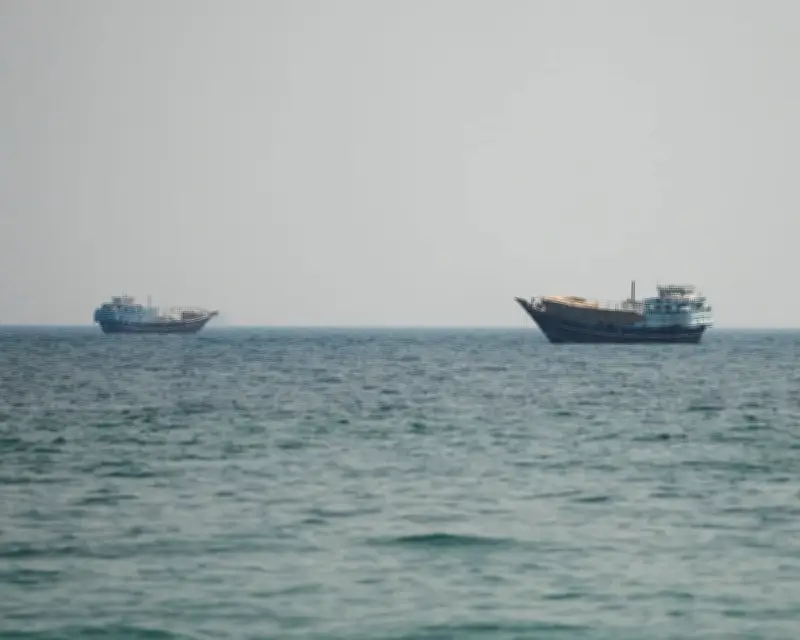
The incident began when an armed drone struck the oil tanker MV Pacific Voyager, which was transiting the Strait of Hormuz under the flag of the Marshall Islands. The attack caused minor damage but no casualties, according to the US Central Command. In response, President Joe Biden authorized retaliatory strikes against three Iranian drone manufacturing facilities and a weapons storage site in southern Iran, near the port city of Bandar Abbas.
"These strikes are a direct response to the unprovoked attack on a commercial vessel in international waters," said Pentagon spokesperson Sabrina Singh. "We will not tolerate threats to freedom of navigation and the safety of our allies and partners."

Regional Fallout
The airstrikes have drawn sharp condemnation from Iran, which denies involvement in the drone attack. Iranian Foreign Ministry spokesperson Nasser Kanaani called the US strikes "a violation of international law and a threat to regional peace and security." He warned that Iran reserves the right to respond "at a time and place of its choosing."
Meanwhile, oil prices surged by more than 3% on Wednesday, with Brent crude trading above $85 per barrel, as traders worried about potential disruptions to supplies through the Strait of Hormuz. The strait, located between Iran and Oman, is a critical chokepoint for global oil shipments.
Escalating Tensions
The latest violence comes amid a series of attacks on commercial shipping in the region since the start of the year. In February, the US blamed Iran for a drone strike on an Israeli-linked tanker off the coast of Oman. Iran has also been accused of seizing several vessels in the Gulf in recent months, including a Greek-operated tanker in May.
Analysts say the US strikes could further destabilize the region. "This is a dangerous game of tit-for-tat that risks spiraling out of control," said Dr. Fatima Al-Sayed, a Gulf security expert at the Doha Institute. "Both sides are testing each other's red lines, and the margin for miscalculation is very narrow."
International Reactions
The United Nations called for restraint, with Secretary-General António Guterres urging all parties to avoid further escalation. The European Union also voiced concern, while Saudi Arabia and the United Arab Emirates expressed support for the US action, citing the need to protect maritime security.
In contrast, Russia and China condemned the US strikes, with Beijing calling for a return to diplomacy. The Chinese Foreign Ministry said the attacks "undermine regional stability and complicate efforts to de-escalate tensions."
What's Next?
The Biden administration has stated that the airstrikes were "proportionate and targeted" and that it does not seek war with Iran. However, the US has also deployed additional naval assets to the Gulf, including the aircraft carrier USS Dwight D. Eisenhower, to deter further aggression.
Iran has a history of retaliation through proxies in the region, including attacks on US bases in Iraq and Syria. The situation remains highly volatile, with the potential for further confrontations in the coming days.