US President Donald Trump celebrated the agreement ending the US-Israel conflict with Iran with a triumphant social media post: “Ships of the World, start your engines. Let the oil flow!” However, the swift resumption of ship movements through the Strait of Hormuz remains uncertain.
Oil Prices Drop on Hopes for Lasting Deal
Oil traders have responded positively, with Brent crude falling below US$80 a barrel to US$78.96 (A$111.82) for the first time since early March. This decline reflects optimism that Trump’s Iran deal will hold, despite the president having previously claimed a peace deal about 40 times.
The US Navy has stated its blockade will remain in place until the agreement is formally signed on June 19. Even after that, it could take at least six months for oil flows through the Strait of Hormuz to return to pre-conflict levels, and much longer for liquefied natural gas (LNG) due to extensive damage to Qatar’s LNG facilities.

Shippers Remain Cautious
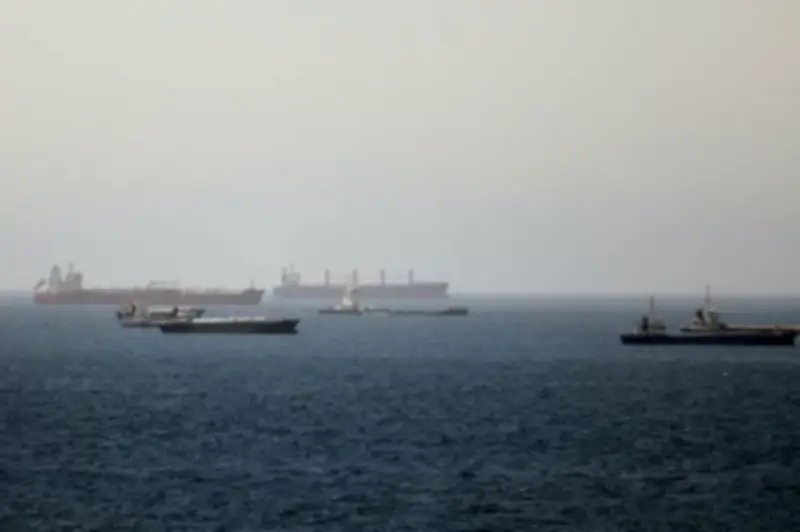
The Strait of Hormuz is a critical chokepoint, carrying a quarter of the world’s seaborne oil trade, 19% of refined petroleum products, about one-fifth of global LNG, and a significant share of chemical trade, particularly fertilisers. However, the conditions for reopening remain unclear. No published text of the draft agreement exists, but Iran’s Mehr state news reported that the strait would reopen within 30 days under “Iranian arrangements”.
A near-term supply boost is possible, as about 60 tankers loaded with crude oil have been trapped in the Persian Gulf since the conflict began in February. Some of these vessels can carry up to 2 million barrels of oil, roughly equivalent to two days of Australian oil consumption. However, maritime tracking data indicates it will take longer for the significant number of ships waiting outside the strait to enter and load.
Safety Concerns Persist
Since Sunday’s announcement, traffic through the strait has seen little change, and shippers have reacted cautiously to the draft agreement. This is understandable given that 38 vessels were hit during the conflict: 24 by Iran, four by the US, and the rest unconfirmed. Clearing mines laid by Iran in the strait could take months.
Mixed messages from Iran and the US further complicate matters. Tehran has indicated it will charge a fee for services, while Trump stated the strait would be toll-free. This apparent discrepancy remains unresolved.
Infrastructure Damage Hinders Recovery
The war caused significant damage to regional energy infrastructure, with over 80 facilities attacked. According to IEA Executive Chairman Fatih Birol, recovery will be gradual, affecting oil fields, refineries, and pipelines across the Persian Gulf.
United Arab Emirates
Last month, the UAE announced it would take until 2027 for full oil flows to resume, even with an immediate end to the conflict. The UAE is the third-largest oil exporter shipping through the strait, behind Saudi Arabia and Iraq.
Iran
Iranian oil producers are expected to welcome the agreement, which likely includes a US waiver on oil sanctions, allowing Tehran to sell oil to more customers. However, some of Iran’s energy infrastructure was damaged when Israel struck the South Pars gas field and the nearby Asaluyeh processing hub. Iran has restarted production at three offshore platforms in the South Pars field but has not indicated repair timelines for damaged infrastructure.
Qatar
A full recovery of the region’s LNG exports could take up to five years following an Iranian attack on the Ras Laffan gas complex, the largest LNG processing facility. Before the war, this facility produced 77 million tonnes of LNG, nearly 19% of global output last year. QatarEnergy has stated repairs will keep 12.8 million tonnes offline for three to five years.
Australia Weathers the Storm
In the early weeks of the war, the IEA warned that the Iran conflict represented the largest supply disruption in global oil market history. Despite this, Australia has fared reasonably well, importing record volumes of diesel to boost stocks of the fuel vital to trucking, mining, and farming. Diesel accounts for more than half of Australia’s daily oil consumption.

Australia has maintained level 2 of the National Fuel Security Plan, avoiding mandatory fuel restrictions. A permanent peace deal would be welcomed by all energy users, but if the deal fails and the strait closes again, prices could spike higher, renewing concerns about shortages.