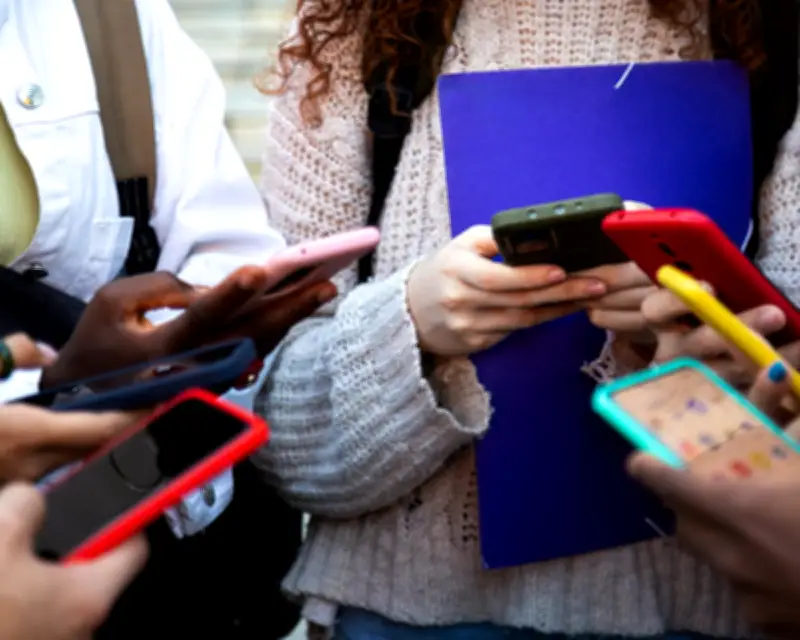
The UK government is reportedly considering a social media ban for children under 16, a move that has drawn support from Labour leader Keir Starmer. The proposal, which would restrict access to platforms like TikTok, Instagram, Snapchat, and X (formerly Twitter), aims to address growing concerns over the impact of social media on young people's mental health.
Starmer's Stance
Speaking at a recent event, Starmer expressed his backing for the potential legislation, stating that "the safety of our children must come first." He emphasized the need for robust measures to protect minors from harmful content and online exploitation. "We cannot afford to delay action when we see the devastating effects of social media on young minds," he added.
Government's Position
The Conservative government has signaled its willingness to explore stricter regulations. A spokesperson for the Department for Digital, Culture, Media and Sport said, "We are committed to making the UK the safest place in the world to be online. We are carefully considering all options, including age-based restrictions." The government is expected to publish a white paper on online safety later this year.

Industry Reaction
Tech companies have pushed back against the proposal. A Meta spokesperson argued that "a blanket ban may not be the most effective approach" and called for more nuanced solutions. TikTok and Snapchat have also expressed concerns, emphasizing their existing safety features and parental controls. Critics of the ban suggest it could drive young users to less regulated platforms.
Mental Health Concerns
The debate comes amid mounting evidence linking social media use to anxiety, depression, and poor sleep among teenagers. A recent study by the Royal College of Psychiatrists found that adolescents who spend more than three hours a day on social media are twice as likely to experience mental health issues. Campaign groups like the 5Rights Foundation have praised the government's consideration of a ban, calling it "a necessary step to safeguard childhood."
Political Divide
While Starmer's support signals cross-party agreement on the need for action, some Conservative MPs have expressed reservations. They argue that the ban could infringe on personal freedoms and that education, rather than legislation, is the key to tackling online harms. Liberal Democrat leader Ed Davey has called for a "digital age of consent" to be raised from 13 to 16, aligning with the proposed ban.
Next Steps
The government is conducting a consultation with tech firms, child safety experts, and young people themselves. Any legislation would likely face scrutiny in Parliament, with debates expected to center on enforcement mechanisms and potential exemptions. The Online Safety Bill, currently progressing through Parliament, already includes provisions to protect children but does not go as far as a blanket ban.
As the UK moves closer to potentially becoming one of the first Western countries to impose such a ban, all eyes are on the government's next steps. The outcome could set a precedent for other nations grappling with the challenges of regulating social media for minors.