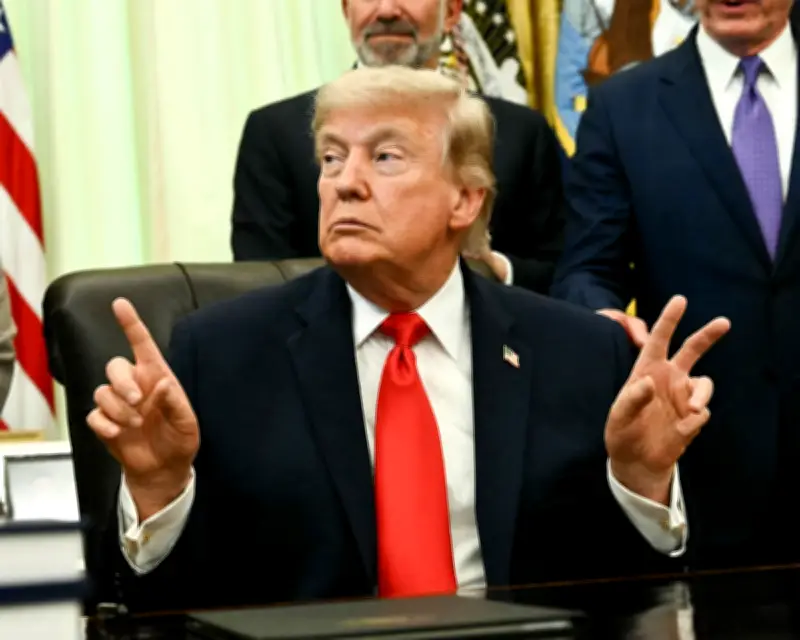
In a stunning reversal of his previous hardline stance, President Donald Trump announced a historic agreement with Iran on Monday, marking a significant shift in US foreign policy. The deal, which caps weeks of secret negotiations, aims to curb Iran's nuclear program in exchange for broad sanctions relief.
Key Provisions of the Agreement
Under the terms of the agreement, Iran agrees to limit its uranium enrichment to 3.67% and reduce its stockpile of enriched uranium by 98%. In return, the US will lift all nuclear-related sanctions, allowing Iran to resume oil exports and access frozen assets. The deal also includes robust inspection mechanisms by the International Atomic Energy Agency (IAEA).
Reactions from World Leaders
The announcement drew mixed reactions. Israeli Prime Minister Benjamin Netanyahu called it a "historic mistake," while European allies cautiously welcomed the move. Iranian President Hassan Rouhani hailed the deal as a "victory for diplomacy."

Domestic Political Fallout
In Washington, the deal faces fierce opposition from Republican lawmakers, who argue it emboldens Iran. However, Trump defended the agreement, stating it was necessary to avoid another costly war in the Middle East. The administration expects a heated debate in Congress over the coming weeks.
Economic Implications
The deal is expected to lower global oil prices as Iranian exports return to the market. Analysts predict a boost to the US economy through reduced energy costs and new business opportunities for American companies in Iran. However, some warn that Iran's regional influence could destabilize the Middle East further.
As the rollercoaster of negotiations concludes, the world watches to see if this agreement holds or if it will be derailed by political turmoil. The coming days will be critical for the future of US-Iran relations.