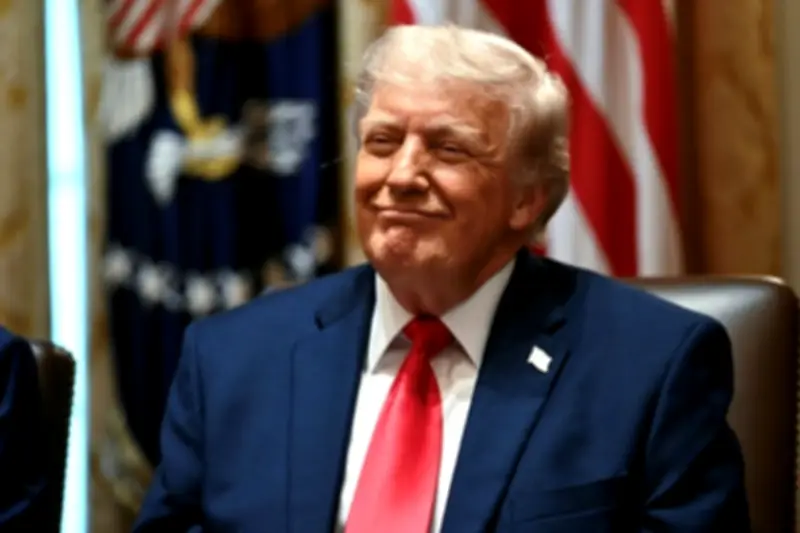
President Donald Trump has positioned himself as a vocal advocate for the rapid development of artificial intelligence in the United States, dismissing regulatory measures as a hindrance to competing with China. However, this stance has sparked unease among some of his most loyal supporters within the Make America Great Again (MAGA) movement, who view AI as a potential threat to American society and jobs.
Conservative Voices Raise Alarm
Amy Kremer, president of the group Humans First, has emerged as a prominent critic of unchecked AI expansion. She argues that conservatives must recognize the dangers posed by the technology, accusing many lawmakers of inaction due to financial ties to tech executives. 'There are more regulations on a ham sandwich that I can buy at a street corner in New York City or Washington, DC, than there is on AI,' Kremer stated. A longtime Trump supporter since his 2016 victory, she helped organize a letter to the president, signed by dozens of conservative activists, including former Trump adviser Steve Bannon.
The Letter to Trump
The letter, published by Axios, warns that 'America did not become the greatest nation in the world by allowing unelected elites to experiment on the public without safeguards or accountability.' Bannon, a key ideological figure in the MAGA coalition, has described AI as 'the most dangerous technology in the history of mankind.' The signatories urged Trump to issue a decree requiring government testing of new AI models before public release.

A Shift in Policy
On May 21, Trump made a last-minute decision to abandon a planned executive order on AI that would have imposed voluntary industry controls. This reversal was attributed to pressure from Silicon Valley allies who oppose government oversight. Trump, now 79, continues to frame regulation as a constraint on U.S. competitiveness with China, even as public anger grows over AI and the energy-intensive data centers that power it.
Rural Revolt
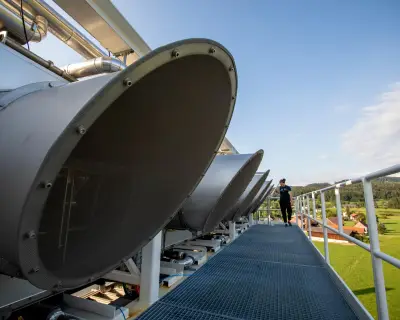
UCLA political science professor Megan Mullin notes that opposition to data centers is reminiscent of protests against low-income housing. These facilities, often built in rural areas, consume vast amounts of water and electricity while creating few jobs. 'This activates feelings of siege and resentment among rural communities who already feel ignored by mainstream politics,' Mullin explained. Trump has historically capitalized on such grievances, winning 90% of rural counties in the last three presidential elections, with his rural vote share rising from 59% in 2016 to 69% in 2024, according to Pew Research.
Balancing Support and Skepticism
Despite her concerns, Kremer continues to praise Trump, calling his leadership 'absolutely amazing' and expressing faith in his intentions. She directs her frustration at tech companies and lobbyists, accusing them of building 'a moat around the White House' that insulates the president from public worries. Mullin observes 'simmering roots of an AI backlash' but notes it remains unclear how this will influence voting behavior.
Youth Engagement
Alex Dray, a 23-year-old activist with the bipartisan Young People's Alliance, believes AI will soon become a key issue for young voters concerned about mental health, jobs, and the cost of living. His group signed the Axios letter. 'I think there's going to be a reckoning in the next couple months,' Dray predicted.