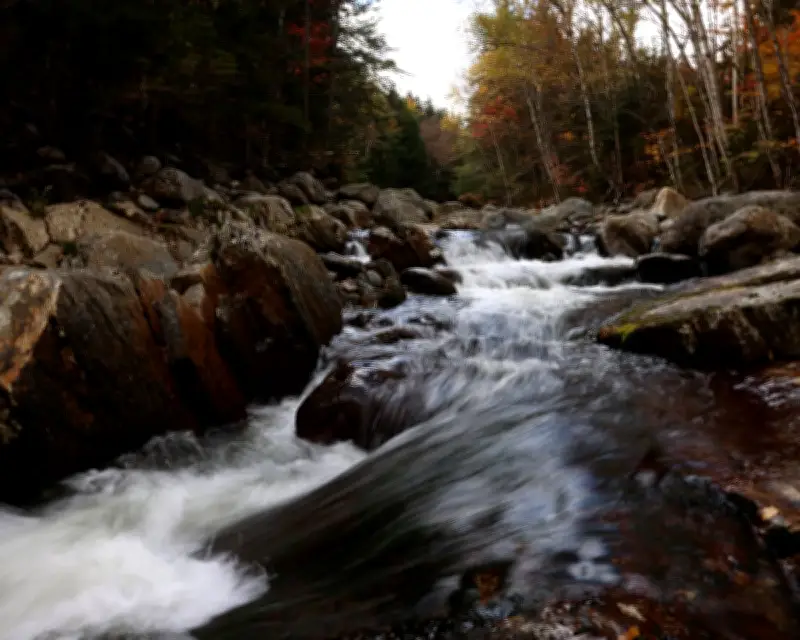
The Trump administration wants to kill a rule that protects millions of acres of national forests. The bipartisan Roadless Rule is under fire, and it is just one way Trump could make our public lands unrecognizable.
Roadless Rule under threat
Modern roads in the United States last for decades, yet the damage they cause in national forests is immediate. Since 2001, the Roadless Area Conservation Rule has protected more than 58 million acres of national forests from development, barring road construction and timber harvests. The policy came into being with huge bipartisan support; almost 2 million people submitted comments on it, the majority championing the protections.
Now US Secretary of Agriculture Brooke L. Rollins is working to rescind the Roadless Rule, opening public lands to logging and other development for the highest bidder. This is just one prong in the Trump administration's campaign to remake public lands in ways most Americans would find unrecognizable.

A former director's perspective
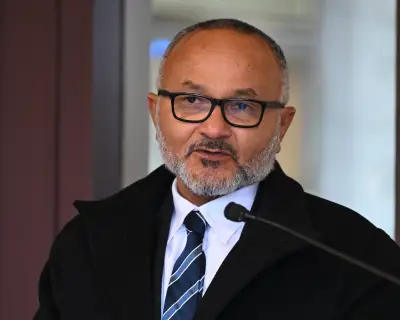
Charles F. Sams III, who served as director of the National Park Service from 2021 to 2025, knows these places well. In the short time since he stepped down, the administration has fired hundreds of park superintendents, rangers, tour guides, biologists, archaeologists, and other staff from one of the most popular agencies in the country. In 2025, more than 320 million people visited national parks alone, and millions more spent time in national forests.
The broad aim of this travesty, Sams says, is to disconnect everyday citizens and visitors from their relationship to these lands, from history, and from collective ownership. That runs counter to everything he values, not only as an NPS director but as a youth growing up on the Umatilla Indian reservation in northeastern Oregon.
Cultural and ecological significance
Sams grew up hearing the Cayuse creation story, in which humans came to be partly when the Salmon gave two gifts: his voice and his body to nourish us. In return, Salmon asked Creator to ensure humans would be good stewards of the natural world. Removing the Roadless Rule would be an assault on that covenant.
This wise policy protects the last-standing undisturbed wildlands—forests, wetlands, canyons, and other places home to many threatened and endangered species: grizzlies, wolves, and salmon. These are the unfractured areas where game animals such as elk and mule deer thrive.
They also support people. More than 180 million Americans rely on forested lands to capture and naturally filter their drinking water. Opening them to logging and construction pollutes that water with sediment and more. No one welcomes the higher water bills that come with decontamination.
A unifying issue
Anyone who thinks this is a fight between red and blue is deeply mistaken. Few things unite the people of this country like their love of the land. Hunters, anglers, hikers, campers, families of every stripe support the national treasures that are our wild places. Everyone wants a relationship with the land.
Who does not want that relationship? Big business. Companies want exclusive leases and extraction that benefits only them, causing damage that lasts long after they have taken the profit out of the earth.
Lessons from the Umatilla reservation
Decades ago, Umatilla chairperson Alphonse “Frenchy” Halfmoon advocated for removing roads on the reservation as a way of reconnecting people to the lands that have sustained them since time immemorial. Sams and his family recently walked those formerly paved roads, now trails, up to Iskuulpa Creek, where salmon can now run easier.
It takes a lot to remove a road. While nature is resilient, it takes even more to heal the land and habitats after the road is gone. A better option: in national forests, just do not build them.
Call to action
Tell your representatives and the US Forest Service that the government should not rescind the Roadless Rule. You have to fight. Democracy, as the saying goes, is a contact sport. Public lands belong to us all, including you. That means you get a say. It also means you share the responsibility of caring for them—and, when they are cared for, you get the joy of benefiting from them. Keeping the Roadless Rule benefits every last one of us.

Charles F. Sams III (Cayuse and Walla Walla) was director of the National Park Service from 2021 to 2025. He is now director of Indigenous programs at the Yale Center for Environmental Justice.