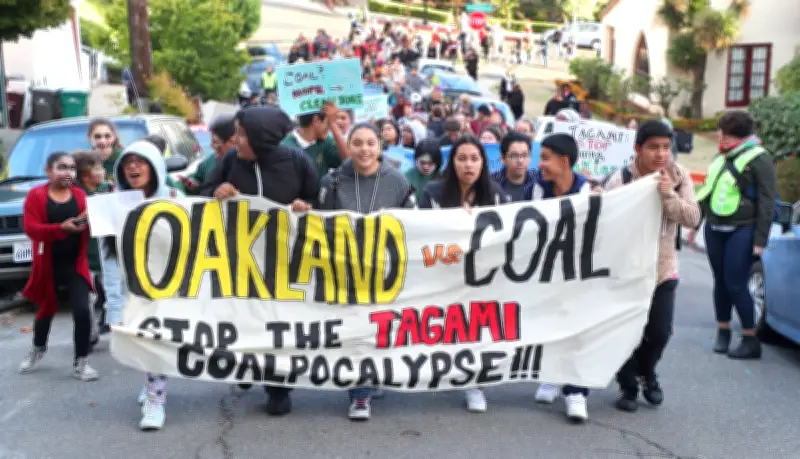
The Trump administration has breathed new life into a long-stalled coal export terminal project in Oakland, California, a move that has reignited fierce debate over environmental impacts and community health. The decision, announced by federal officials, overturns previous denials and clears the way for construction to proceed on the controversial facility.
Project Background
The proposed terminal, located at the former Oakland Army Base, would handle up to 10 million tons of coal annually, shipped from Utah and Colorado to Asia. The project has been mired in legal and regulatory battles for years, with opponents citing health risks from coal dust and contributions to climate change.
Trump Administration's Rationale
Administration officials argue the terminal will boost the economy, create jobs, and support the coal industry, which has been struggling amid a shift to cleaner energy sources. They claim modern technology will minimize dust and environmental harm.

Opposition and Legal Challenges
Environmental groups and local communities have vowed to fight the decision. The city of Oakland, which previously rejected the project, is exploring legal options. Critics say the terminal would increase cancer risks and undermine California's climate goals.
Next Steps
The project still requires state and local permits, and legal challenges are expected to delay construction. The outcome could set a precedent for similar projects across the country.