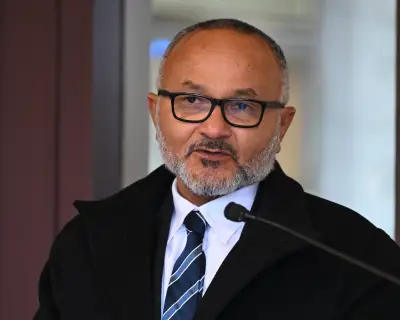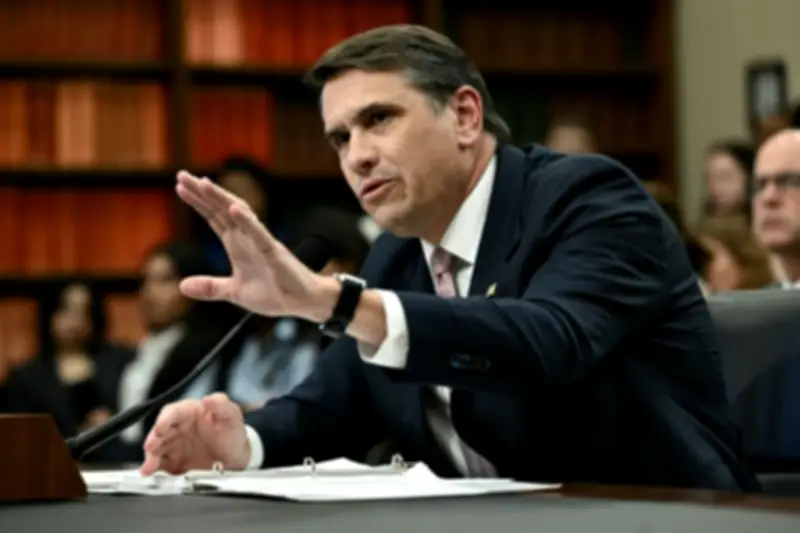
The Trump administration has abandoned a controversial $1.8 billion compensation fund that critics had denounced as a 'slush fund' for the president's political allies. Acting Attorney General Todd Blanche told a House oversight committee on Tuesday that the Department of Justice will not move forward with the initiative.
About-face on divisive plan
'We are not moving forward with the fund. Period,' Blanche said during testimony before the House Appropriations Committee. The decision marks a reversal for one of President Donald Trump's most contentious second-term initiatives, which had drawn criticism from Democrats, legal experts, and even some members of his own Republican Party.
Legal challenges and settlement details
A federal judge had already temporarily blocked the White House from proceeding with the 'anti-weaponization fund,' designed to compensate individuals who claimed unfair treatment by the US government. US District Judge Leonie Brinkema last week barred any further action to create or operate the fund while considering a longer-lasting pause.

The fund was established as part of an extraordinary settlement of Trump's civil lawsuit against the Internal Revenue Service (IRS) over the leak of his tax returns by a former government contractor. An addendum to the settlement permanently bars the IRS from pursuing Trump, his family, or his companies for back tax claims. Blanche, Trump's former personal attorney, confirmed that this provision remains in effect: 'Nothing has changed with that.'
Under the settlement terms, the IRS is 'forever barred' from pursuing any tax claims against Trump, his family, or his businesses that were pending as of the May 18 settlement date. Trump is the first US president in recent times to decline publicly releasing his tax returns, claiming they are under audit.
Political fallout and opposition
The administration argued the fund would compensate victims of government 'weaponization' and 'lawfare'—Trump's terms for what he says is politically motivated targeting of conservatives and his supporters. However, opponents contended the fund lacked a clear legal basis, had little public oversight, and could be used to reward loyalists, including defendants convicted for the January 6, 2021, assault on the US Capitol.
Trump, on his first day back in office last year, granted clemency to over 1,500 people convicted for the Capitol attack, when his supporters stormed Congress to overturn Joe Biden's 2020 election victory. The administration has also removed Justice Department press releases about January 6 prosecutions, labeling them 'partisan propaganda.'
The fund became politically toxic even among some Republicans. Senate Republican leaders postponed a vote on a major bill funding Immigration and Customs Enforcement and the Border Patrol, partly due to concerns that the fund could allow January 6 defendants to receive taxpayer money.