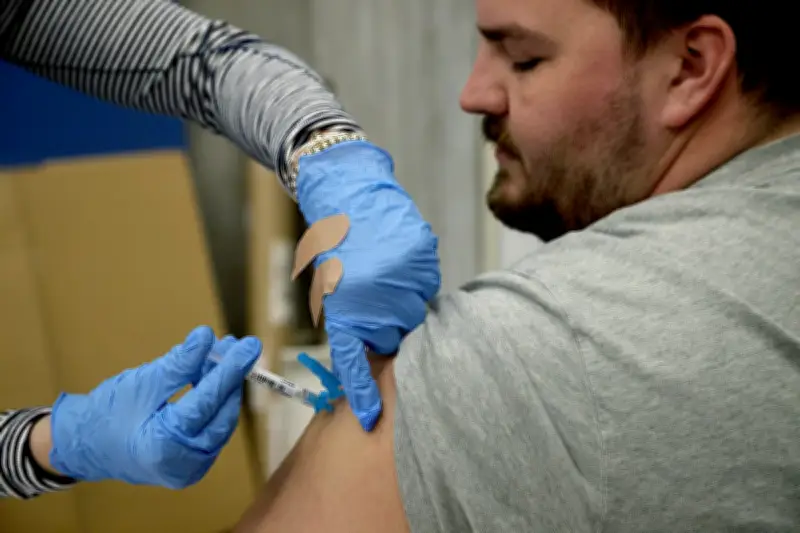
A man receives Covid and flu vaccines in Boston on 7 January 2026. Three scientific papers that raised questions about vaccine safety and were used by the Trump administration to justify controversial changes to US vaccine policies have been removed, retracted, or placed under investigation by the journals that published them.
Background of the Studies
Robert F Kennedy Jr, the US health secretary and a prominent anti-vaccine advocate, relied on two of these studies for his 2023 book arguing that unvaccinated children are healthier. The US Centers for Disease Control and Prevention (CDC) cited one paper when it altered its long-standing position that vaccines do not cause autism. All three papers were referenced by an anti-vaccine lawyer before a federal vaccine advisory panel.
Scientists have praised the recent actions, noting a rise in vaccine-preventable diseases like whooping cough and measles. They argue these studies have been used to erode public confidence in vaccines.

Details of the Papers
One paper, published in 2021 in Toxicology Reports by Neil Z Miller, suggested a link between vaccines and sudden infant death syndrome (SIDS). Another, from 2020 in Sage Open Medicine co-authored by Miller and Brian S Hooker, indicated vaccinated children had higher rates of developmental delays and asthma. The third, from 2010 in the Journal of Toxicology and Environmental Health by Carolyn M Gallagher and Melody S Goodman, found a possible link between the Hepatitis B vaccine and autism in boys.
All three have been criticized for poor methodology. The Sage Open Medicine paper is under investigation after an anonymous complaint. The Toxicology Reports paper was removed due to serious methodological flaws. The 2010 paper was retracted after an independent review found fundamental flaws.
Reactions and Implications
Some authors defend their work. Aaron Siri, a lawyer for Kennedy, called the scrutiny a targeted assassination. Dr Karina Top of the University of Alberta said these papers are poor science and have contributed to decreased vaccination rates. The CDC has not commented on whether it will update its page citing the retracted paper.
The actions come as public health officials report outbreaks of preventable diseases. Scientists hope these moves will help restore trust in vaccines.