Spain is intensifying its efforts to promote tourism beyond the traditional sun-and-beach model as the country prepares for another record-breaking year, with foreign visitor numbers potentially reaching 100 million for the first time, according to the tourism minister.
Record Growth and Sustainable Management
Speaking exclusively, Jordi Hereu, Minister of Industry and Tourism, dismissed concerns that Spain is oversaturated with tourists but acknowledged that old strategies are no longer effective, especially amid rising worries about overtourism and climate change. He emphasized that the steady increase in tourist numbers—potentially boosted this summer by uncertainty in Middle Eastern destinations due to conflict—can be managed sustainably.
Last year, foreign tourist numbers rose by 3.2% to 96.8 million, while spending increased by 6.8% to €134 billion. First-quarter figures for this year show a 3.4% rise in visitors and a 6.7% increase in revenue. Hereu stated, “With that growth, we could reach 100 million. But that doesn’t worry us or obsess us. We favor what I call calm growth—growth that can be easily managed.”

Addressing Overtourism
Tourism accounts for over 12% of Spain's GDP, but rapid, unchecked growth has sparked protests and backlash, particularly over tourist flats that have reshaped neighborhoods, driven up housing costs, and strained public services. When asked if current tourism rates are sustainable, Hereu replied, “Yes, if we do our homework, and no if we don’t do anything.” He praised Barcelona’s decision to ban tourist flats by 2028 but noted Spain’s decentralized structure limits central government action. He contrasted left-wing and right-wing approaches, saying, “The left is more in favor of regulating tourism than the right, which believes the market will self-regulate—which isn’t true.”
Diversifying Beyond Sun and Sand
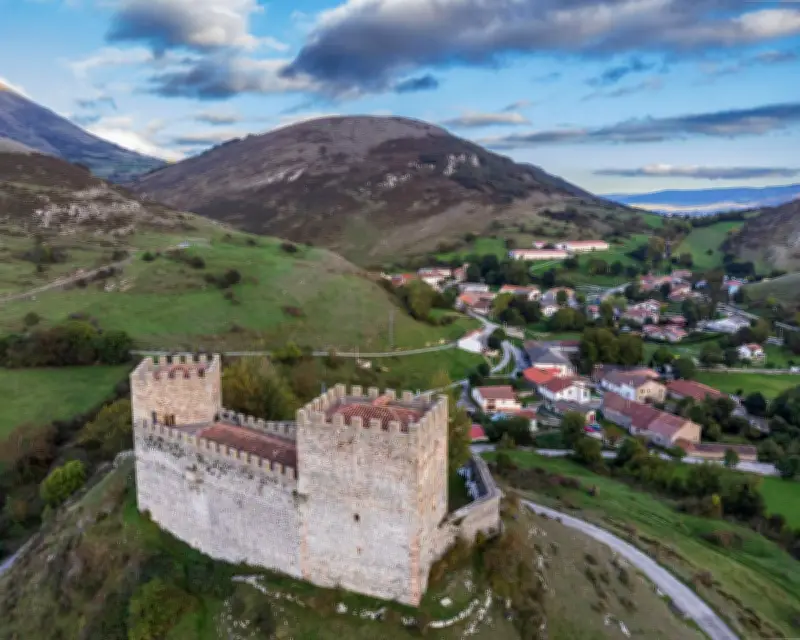
Hereu defended traditional beach tourism, which still accounts for 37% of visits, but noted a growing demand for “beach plus” experiences. He said the government’s 2030 tourism strategy focuses on three principles: decentralizing destinations over time, deseasonalization, and diversifying offerings beyond the dominant sun-and-sand model. The current advertising campaign, “Think You Know Spain? Think Again,” highlights inland and northern regions, featuring churches, paradores, orange groves, folk festivals, food, wine, and even rain, avoiding coastal beaches entirely.
“Low and mid season are growing much more than high season, and inland, green Spain is growing much more than the majority segment,” Hereu said.
EU Investment and Regional Development
Spain’s reliance on tourism was exposed during the Covid pandemic, when international visitor numbers plummeted by 77% to 18.9 million in 2020. In response, the government invested €3.4 billion from EU Next Generation funds to modernize the sector. This investment has enabled less-visited regions—such as Castilla-La Mancha, Castilla y León, Extremadura, Galicia, Asturias, Cantabria, the Basque Country, and Navarre—to develop their tourist markets.
“There’s a lot of potential there, and that’s where we need growth to happen,” Hereu said, adding that on the Mediterranean coast, especially in high season, there are limits.
Climate Adaptation and Employment
The minister believes diversifying tourism can help combat depopulation by providing jobs in rural areas and lengthening the season to offer more stable employment. He noted that the season now extends from April to October, with some chains operating almost year-round. “This gives us more job stability, and salaries also have to increase to attract and retain people,” he said.
Hereu also highlighted efforts to help the industry adapt to climate change, including droughts, heatwaves, forest fires, floods, and rising sea levels, through renewable energy, efficient water use, and waste management. He concluded, “Sticking to the old model would be a mistake. We’d be growing the number of tourists rather than spending value. Now we are growing more in value than in number.”