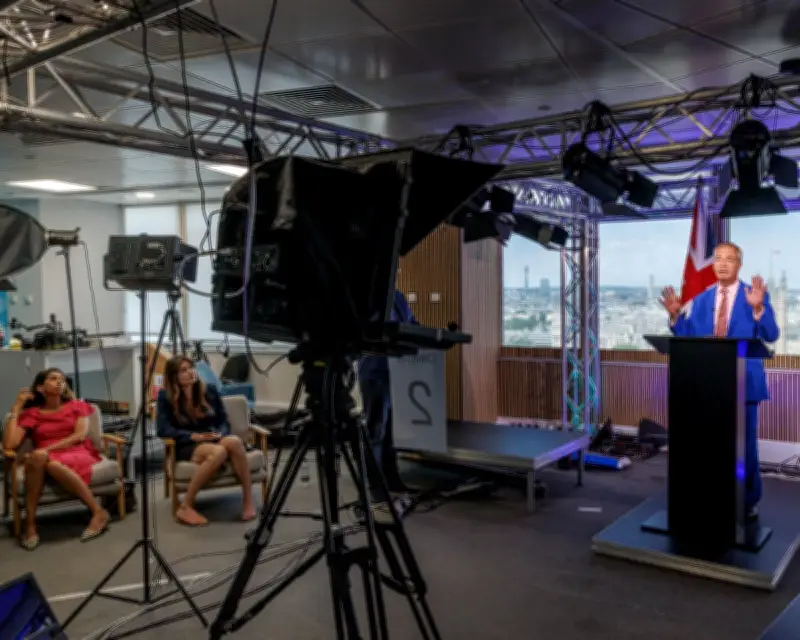
In the seaside town of Clacton-on-Sea, a curious political spectacle is unfolding. Nigel Farage, the wealthy former Brexit Party leader, is campaigning for a seat in Parliament, but his message to the town's poorer residents seems to be: 'I'm rich, defend me.' This paradox lies at the heart of his Reform UK campaign, where the interests of the affluent are being dressed up as the voice of the common person.
Clacton's economic reality
Clacton is one of the most deprived areas in the UK, with high unemployment, low wages, and a struggling high street. Yet Farage, a man worth millions who has spent much of his career as a stockbroker and politician, is positioning himself as the champion of the working class. According to local residents, there is a sense of betrayal. 'He doesn't live here, he doesn't know what it's like to struggle,' said one shopkeeper. 'He's using us to get his message out.'
The 'collateral damage' of elite politics
The disconnect is stark. Farage's campaign focuses on immigration and sovereignty, issues that resonate with some voters, but his personal wealth and lifestyle seem at odds with the daily grind of Clacton's residents. Critics argue that he is exploiting the town's frustrations for his own political gain, leaving locals as 'collateral damage' in a broader culture war. As one commentator put it, 'Farage wants poor voters to defend his wealth and privilege, while offering them little in return.'

A history of privilege
Farage's own biography reinforces the divide. He attended a private school, worked in the City of London, and has been a prominent figure in the Brexit movement, which many see as a project of the elite. In Clacton, where the average income is well below the national average, his message of 'taking back control' rings hollow for those who feel they have never had control in the first place. 'He's not one of us,' said a local pensioner. 'He's asking us to vote for him so he can protect his own interests.'
The broader implication
This dynamic is not unique to Clacton. Across the UK, populist politicians from wealthy backgrounds are courting poorer voters by tapping into cultural grievances while ignoring economic inequality. The result is a political landscape where the rich ask the poor to defend them, and the poor are left to bear the consequences. As the election approaches, Clacton serves as a microcosm of a larger national struggle: who really benefits when the wealthy pose as the voice of the people?