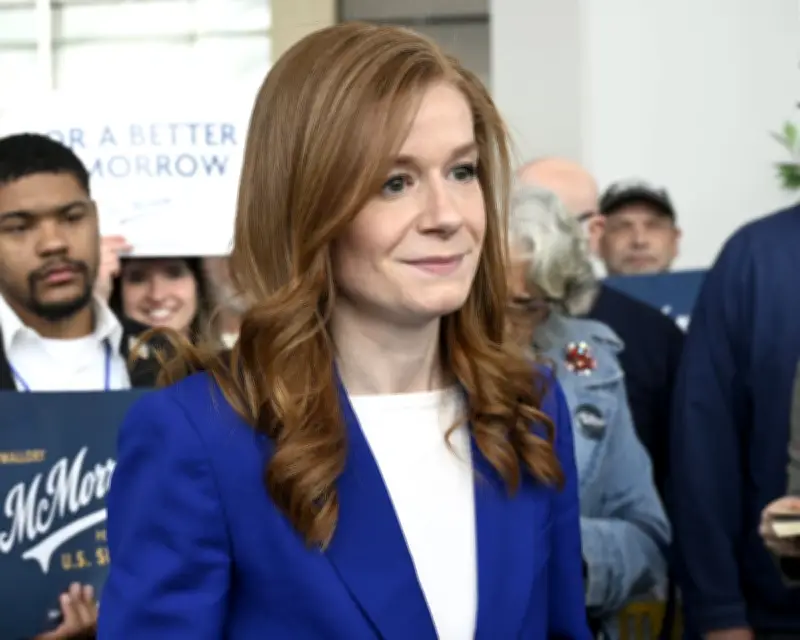
Michigan state Senator Mallory McMorrow announced on Sunday that she is ending her campaign for the U.S. Senate, a move that reshapes the Democratic primary field in a key battleground state. McMorrow, a rising star in the party known for her viral speech against a Republican colleague, said she could not raise enough money to compete effectively.
Fundraising Challenges Cited as Key Factor
McMorrow, 38, launched her bid in February with a strong progressive platform, but she struggled to keep pace with better-funded rivals. In a video statement, she said: “I am proud of the campaign we ran, but the math is clear — we don't have the resources to win this primary. It's time to step aside and ensure we beat the Republicans in November.”
Her exit leaves the Democratic primary largely between actor and activist Hill Harper and Representative Elissa Slotkin, who has led in fundraising and polling. Slotkin, a former CIA analyst, has raised over $10 million, while Harper has drawn support from celebrities and grassroots donors.

Impact on the Senate Race
McMorrow’s departure is a blow to progressives seeking a more left-leaning candidate. She gained national attention in 2022 after a speech defending LGBTQ+ rights and condemning a fellow senator for using “groomer” rhetoric. Her campaign focused on abortion rights, gun control, and economic justice.
“This was a difficult decision, but I believe in putting the country first,” McMorrow said in a written statement. “We must unite behind a candidate who can defeat the Republican nominee, whether it's Slotkin or Harper.”
The Republican primary is also competitive, with former Representative Mike Rogers and businessman Sandy Pensler vying for the nomination. The open seat, currently held by retiring Senator Debbie Stabenow, is considered a top pickup opportunity for Republicans in 2026.
Political Ramifications
McMorrow’s withdrawal could help consolidate Democratic support behind Slotkin, who is seen as a moderate. However, Harper’s campaign has argued that Slotkin is too centrist for the party’s base. A recent poll showed Slotkin leading Harper by 12 points among likely Democratic primary voters.
“Mallory was a strong voice for working families, and her absence will be felt,” said Michigan Democratic Party Chair Lavora Barnes. “But our party is united in the goal of holding this seat.”
The general election is expected to be one of the most expensive in the country, with outside groups already spending heavily on advertising. McMorrow’s exit may reduce the intensity of the primary but could also energize Republican donors who see a narrower path to victory.
McMorrow’s Political Future
McMorrow has not ruled out running for another office. She remains a state senator until 2026 and could seek reelection or a different statewide position. “I'm not done fighting for Michigan families,” she said. “I'll be back.”
Her campaign reported raising $2.3 million through June, far less than Slotkin’s $10.5 million and Harper’s $4.1 million. With the primary set for August 2026, McMorrow’s decision leaves the field with two major candidates.