As the deadline for filing claims with the Equal Employment Opportunity Commission (EEOC) expired, several Jewish faculty members at Columbia University submitted applications for compensation from a $21 million fund established to address antisemitism on campus. However, these faculty members argue that the hostility they faced stemmed from their support for Palestinian rights and student protests, not from their Jewish identity.
Background of the Settlement
Columbia University reached a settlement with the Trump administration last year, agreeing to create a $21 million fund to compensate Jewish employees who experienced a hostile work environment due to protests against Israel's war in Gaza. The settlement was part of a larger agreement that included a $200 million fine and other measures to resolve a months-long dispute with the administration.
Faculty Claims and Allegations
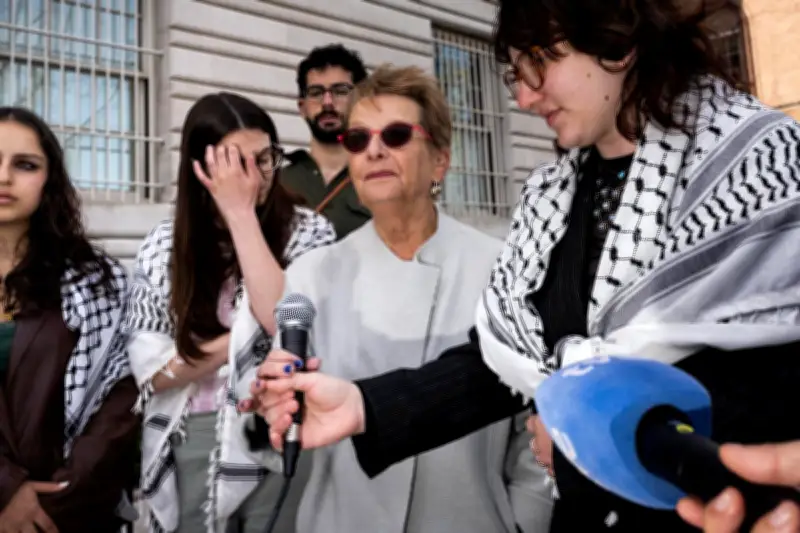
In half a dozen filings shared with the Guardian, faculty members alleged that Columbia enabled a hostile climate for Jews, but the hostility they faced was due to their advocacy for Palestinian rights. They criticized the university's implication that all Jews identify with Israel as "textbook antisemitism" and argued that repressing pro-Palestinian speech in the name of Jewish safety turned Jews into "scapegoats."

Joseph Howley, a classics professor, wrote in his claim, "I no longer consider Columbia University a safe place to work for Jews who dare to dissent from the political agenda of its most ardently pro-Israel and anti-Palestinian donors and trustees." Faculty described being doxxed, followed, spat on, screamed at in meetings, accused of professional misconduct, and receiving death threats.
Criticism of the Fund and Process
The EEOC fund invokes Title VII of the 1964 Civil Rights Act, which prohibits employment discrimination based on race, color, religion, sex, and national origin. However, critics argue that the administration has exploited the legislation to fit its political agenda. Faculty expressed doubts that the commission would recognize their perspective, viewing the claim process as an opportunity to make a statement.
Alisa Solomon, a journalism professor, said she filed her claim to "intervene in a false narrative." James Schamus, a film producer and professor, wrote a critique of the fund titled "Where is my antisemitism money?" and pledged to donate any payout to the fight for a just peace in Israel/Palestine.
Broader Implications
Several faculty noted that after signing an April 2024 letter condemning the university's response to student protests, Columbia's antisemitism taskforce falsely claimed they called for an end to the state of Israel, prompting abuse. The taskforce later edited the report but issued no apology. Marianne Hirsch, a scholar of antisemitism and daughter of Holocaust survivors, wrote, "When the only acceptable way to be Jewish is to support Israel unconditionally, there is no longer a way for me to be Jewish on Columbia's campus."
The EEOC spokesperson said the response was "robust" and eligible claimants will start receiving notifications. Columbia University did not respond to a request for comment.