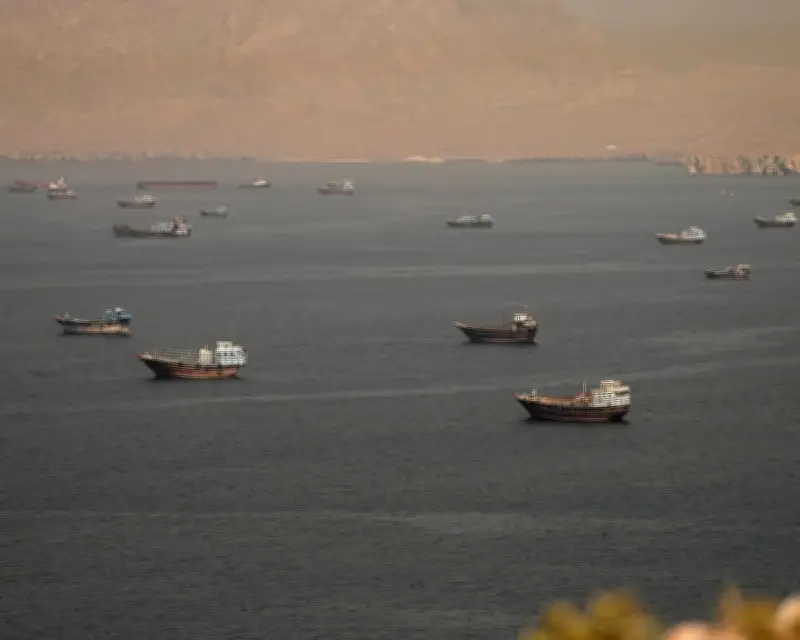
Iran has announced plans to introduce a system of maritime fees in the Strait of Hormuz in two months, after a 60-day negotiation period triggered by the signing of a memorandum of understanding with the United States. Tehran claims a historic victory over the US, asserting control over the strait and dismissing a European naval mission proposal. The US lifted its blockade on Thursday, allowing oil tankers to move freely through the critical waterway.
Netanyahu Comments on Lebanon and Iran
Israeli Prime Minister Benjamin Netanyahu stated that Israel will maintain the security zone in south Lebanon as long as necessary, referring to the occupied Lebanese territory. On Iran, Netanyahu reiterated Israel's commitment to preventing Tehran from acquiring nuclear weapons. Iran insists the deal requires full Israeli withdrawal from Lebanon, holding Donald Trump accountable.
Trump Calls for Ceasefire
Trump called for a complete ceasefire on all fronts, including Lebanon, Hezbollah, and Israel. He encouraged Middle East parties to allow negotiations to proceed. Iran's Supreme Leader Ayatollah Mojtaba Khamenei approved the deal and endorsed direct negotiations with Trump's team, stating Trump acted out of desperation.

Continued Violence and Reactions
Israeli drone attacks and artillery shelling continued, with Hezbollah claiming attacks on Israeli forces. The deal drew criticism from Israeli politicians, with an op-ed declaring the war lost due to US weakness. Vice President JD Vance defended Trump, warning Israeli critics not to attack their only powerful ally.
Ceremony Cancelled, Technical Talks Ahead
A planned formal ceremony for the memorandum signing was cancelled. Trump and Iranian President Masoud Pezeshkian had already signed the document. Technical-level talks will proceed in Switzerland, focusing on implementing the 14-clause memorandum, including lifting sanctions on Iran's oil exports and ensuring free navigation through the Strait of Hormuz.
Iran's Fee Plan Challenged by Gulf States
Iran's chief negotiator said the strait needs management at a cost. Saudi Foreign Minister Prince Faisal bin Farhan Al Saud challenged the plan, arguing the strait functioned fine before the conflict. UAE's director of policy planning said the UAE's relationship with Israel deepened during the war and will continue to strengthen.
Iran Seeks Gulf Support for Reconstruction Fund
Iran's foreign ministry began repairing relations with Gulf allies, hoping for contributions to a planned $350 billion reconstruction fund. Iran's economic minister noted that the US waiver on oil exports would not produce an immediate economic boom, as the war significantly reduced revenues.