The United Kingdom's special envoy for Iran announced a historic agreement that will unfreeze approximately $6 billion in Iranian assets and guarantee safe passage through the Strait of Hormuz, marking a significant shift in Middle Eastern geopolitics. The deal, reached after months of indirect negotiations, is expected to stabilize global oil markets and reduce tensions between Iran and its Gulf neighbors.
Key Terms of the Agreement
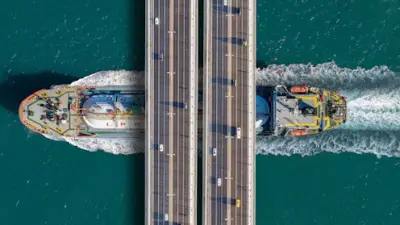
According to the envoy, Sir Simon Gass, the agreement includes the release of Iranian funds held in South Korean banks, which had been frozen under US sanctions. In exchange, Iran has committed to suspending its enrichment of uranium above 60% purity and allowing International Atomic Energy Agency (IAEA) inspectors full access to its nuclear facilities. The deal also establishes a maritime security framework for the Strait of Hormuz, a critical chokepoint for global oil shipments.
“This is a comprehensive package that addresses the core concerns of all parties,” Gass stated during a press conference in London. “It reduces the risk of conflict, ensures energy security, and paves the way for broader diplomatic engagement.”

Economic and Market Impact
The announcement triggered a sharp drop in oil prices, with Brent crude falling by 3.5% to $78 per barrel, as traders priced in the return of Iranian crude to global markets. Iran, an OPEC member, has the capacity to increase production by up to 1 million barrels per day. The unfreezing of assets will also provide a much-needed boost to Iran's economy, which has been crippled by sanctions and inflation exceeding 40%.
Analysts at Goldman Sachs described the deal as “transformative” for energy markets, though they cautioned that full implementation could take months. The reopening of the Strait of Hormuz, through which about 20% of global oil passes, removes a key risk premium that had been built into prices since tensions escalated last year.
Regional Reactions and Security Implications
Gulf Arab states, particularly Saudi Arabia and the United Arab Emirates, welcomed the agreement as a step toward de-escalation. Both countries had previously expressed concerns about Iran's nuclear program and its role in regional conflicts. Israel, however, remained skeptical, with Prime Minister Benjamin Netanyahu calling the deal “a dangerous capitulation” that does not address Iran's ballistic missile program or its support for proxy groups.
The United States, which participated indirectly through European intermediaries, issued a cautious endorsement. State Department spokesperson Matthew Miller said the US would monitor Iran's compliance closely and maintain other sanctions not covered by the agreement.
Humanitarian and Diplomatic Dimensions
The unfrozen assets are expected to be used primarily for imports of food, medicine, and other humanitarian goods, which have been in short supply due to sanctions. Iranian Foreign Minister Hossein Amir-Abdollahian described the deal as a “victory for diplomacy” and reiterated Iran's willingness to engage in further talks on regional security.
“This shows that dialogue, not pressure, is the path to solutions,” he said in a televised address. The agreement also includes provisions for prisoner exchanges and the resumption of direct flights between Tehran and several European capitals.
Next Steps and Monitoring
Implementation will begin within 30 days, with the IAEA verifying Iran's compliance. A joint commission comprising the UK, France, Germany, Russia, China, and Iran will oversee the process. The deal is initially set for a two-year period, with options for renewal.
Sir Simon Gass emphasized that the agreement is not a final nuclear deal but a “building block” toward a more comprehensive settlement. He urged all parties to seize the opportunity for lasting peace in the region.