Guernica, a seemingly unremarkable town in Spain's Basque Country, holds a dark history. On April 26, 1937, during the Spanish Civil War, Nationalist leader Francisco Franco allowed German and Italian fascist forces to bomb the town. The attack, carried out by Hitler's Condor Legion and Mussolini's Aviazione Legionaria, lasted nearly four hours and devastated the area.
The bombing was overseen by Nazi Colonel Wolfram von Richthofen, who later led blitzkriegs in Poland and France. Guernica was targeted on a Monday, market day, making it busier than usual. Many buildings were made of wood, worsening the destruction. Estimates suggest about 1,600 people were killed and almost 900 injured, many seriously burned.
Survivors scrambled to bomb shelters. The fascists tried to cover up the attack, but journalists like Australian-born Noel Monks reported the news globally. The atrocity inspired Pablo Picasso, living in Paris, to create his famous anti-war painting 'Guernica,' now housed in Madrid's Museo Reina Sofia. A full-size tile copy is displayed in Guernica.

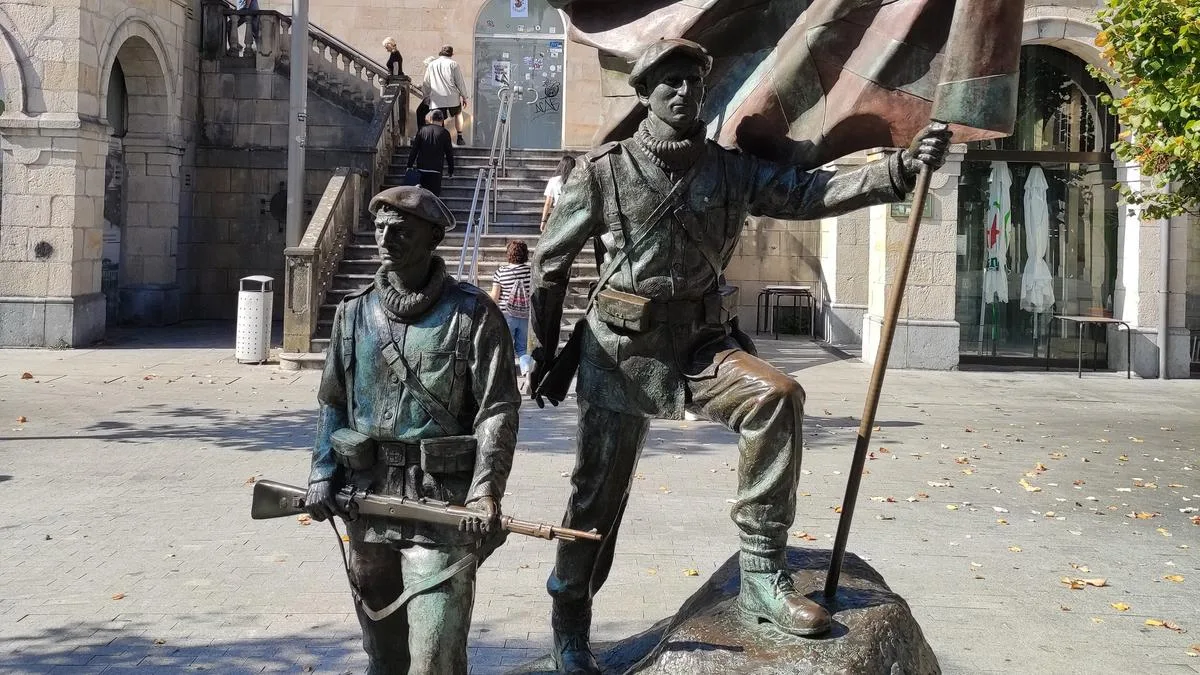
Today, visitors can explore Plaza de los Fueros, which features photographs of the carnage, and the Museo de la Paz, which examines the tragedy through audio-visual recreations and witness accounts. The town also houses the restored air-raid shelters and the Museo de Euskal Herria, focusing on Basque culture.
Other sites include the Gernikako Arbola (Tree of Guernica), a symbolic oak tree in a temple-like enclosure, and the neoclassical Casa de Juntas, which survived the bombing. The Parque de los Pueblos de Europa features a gingko tree from Hiroshima and sculptures by Eduardo Chillida and Henry Moore.