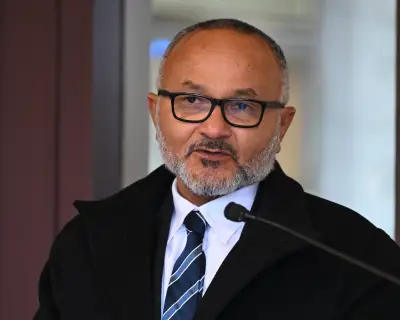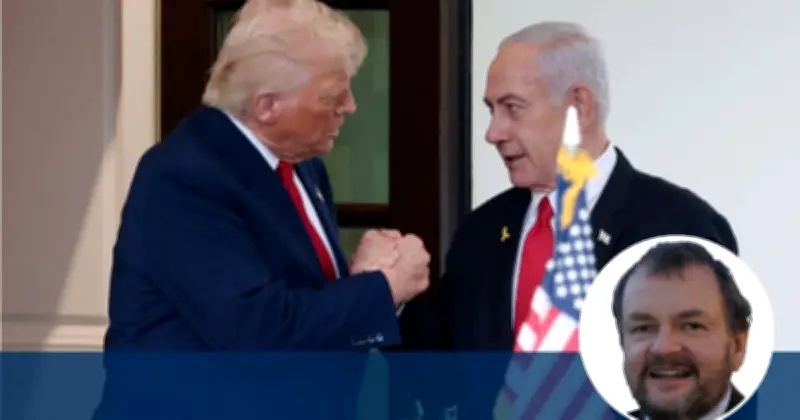
Crispin Hull, a prominent Australian commentator, has labeled Donald Trump's actions regarding Iran as criminal, particularly in light of the Obama-era nuclear deal. In a scathing critique, Hull argues that Trump's withdrawal from the Joint Comprehensive Plan of Action (JCPOA) in 2018 was a reckless move that has destabilized the Middle East and increased the risk of nuclear proliferation.
The Obama 2026 Deal: A Missed Opportunity
The JCPOA, signed in 2015 by Iran, the United States, and other world powers, was designed to limit Iran's nuclear program in exchange for sanctions relief. Hull contends that this agreement was a landmark diplomatic achievement that effectively curbed Iran's nuclear ambitions. Under the deal, Iran's uranium enrichment was capped, international inspectors had access to its facilities, and the threat of a nuclear-armed Iran was significantly reduced.
However, Trump withdrew the US from the agreement, calling it flawed and reimposing harsh sanctions on Iran. Hull describes this as a criminal act because it violated a multilateral treaty and undermined trust in international diplomacy. He points out that the deal was working, with Iran complying with its terms, as confirmed by the International Atomic Energy Agency (IAEA).

Consequences of Trump's Actions
Since the US withdrawal, Iran has progressively violated the deal's restrictions, enriching uranium to higher levels and exceeding stockpile limits. Hull argues that Trump's move has left the world less safe, as Iran now has a shorter path to a nuclear weapon. He also criticizes the Trump administration for its maximum pressure campaign, which has caused economic hardship for ordinary Iranians and fueled regional tensions.
Hull further notes that the Biden administration has attempted to revive the deal through negotiations in Vienna, but progress has been slow. He believes that Trump's actions have made it harder to reach a new agreement, as Iran now demands guarantees that future US presidents will not unilaterally withdraw.
In his article, Hull calls for a return to diplomacy and a renewed commitment to the JCPOA or a similar agreement. He emphasizes that the alternative is a nuclear arms race in the Middle East, which would have catastrophic consequences for global security.
Hull's commentary reflects a broader view among many analysts that the Iran nuclear deal was a successful example of multilateral diplomacy, and its abandonment was a grave mistake. He urges policymakers to learn from this episode and prioritize international cooperation over unilateral action.