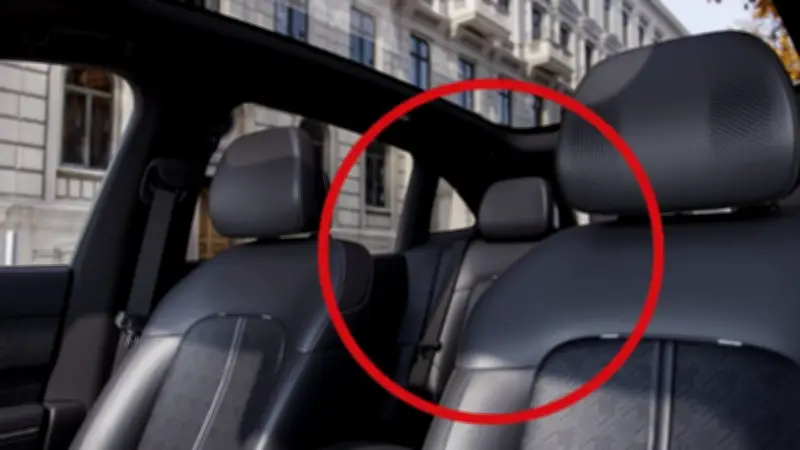
Futuristic car seats made popular by Chinese electric vehicles (EVs) could soon be banned as regulators crack down on unsafe technology in modern vehicles. China's enormous and competitive car industry has given us some of the most innovative and sophisticated EV features, including business-class seats, karaoke, and cars that can jump over potholes. However, their famous 'zero-gravity' seats are now under the spotlight, and Chinese regulators are asking an embarrassing question: are they safe?
What Are Zero-Gravity Seats?
Zero-gravity is a term for describing first-class airline-style seats that can deeply recline to a near-flat position. They are referred to as zero-gravity for their near-weightless positioning, which typically features leg rests, various massage settings, and can be heated or ventilated. These seats are found in brands such as Zeekr, Xpeng, and BYD.
Why Are They Dangerous?
The primary concern is that passengers in such a deeply reclined position are less protected and face a higher risk of serious injuries in a crash. According to Reuters, Chinese regulators started investigating zero-gravity seats after fatal accidents involving Xiaomi SU7 sedans were reported last year. 'When these seats are in a semi-reclined position, occupant safety in a collision may not be guaranteed,' the ministry stated.

This investigation comes as China begins to crack down on other flashy features its car industry has popularised. Lexus, a Japanese brand, uses a very similar lounge seat design in some of its high-end models.
Ban on Flush Door Handles
The biggest example is China's decision to ban flush door handles. This move follows multiple incidents where flush door handles failed during crashes, power outages, or extreme weather, leaving occupants trapped inside vehicles. In several cases, these failures have been linked to fatalities. Australia's crash safety body, ANCAP, has even implemented changes to its 2026 crash rating system to ensure flush door handles still function after an accident.
Other features like the yoke steering wheel, one-pedal driving, and buttonless screens are all under scrutiny in China.
Potential Impact on Australia
If China does decide to ban zero-gravity seats, there is a possibility that any changes from China will influence other markets, especially Australia. China is now the number one source of cars imported into Australia, and whatever changes happen in China will eventually catch up on Australian roads. It is unclear if China will ban zero-gravity seats. Regulators are seeking public feedback until July 25 on proposed mandatory safety regulations for vehicle seats, along with head restraints and electric vehicle battery recycling processes.