Black femicide is a public health crisis, with failures of multiple systems to blame. Why are so many Black women dying at the hands of their partners? According to a 2025 study, Black women are two and a half times more likely to be murdered by men than white women are. This is a public health crisis that demands urgent attention.
The Alarming Statistics
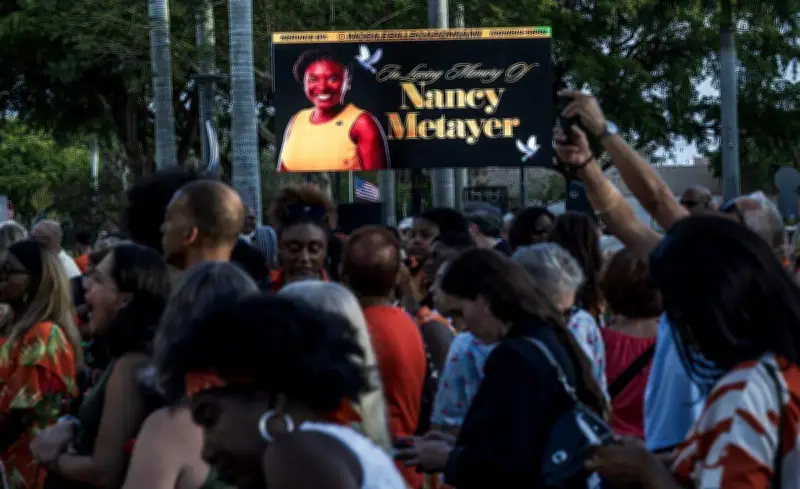
In April alone, at least half a dozen Black women were allegedly killed by their partners, including high-profile cases such as Cerina Fairfax, estranged wife of former Virginia lieutenant governor Justin Fairfax, and Nancy Metayer Bowen, vice-mayor of Coral Springs, Florida. Additionally, Shaneiqua Elkins survived a shooting by her husband, Shamar Elkins, that wounded her and killed seven of her children and one of their cousins in Shreveport, Louisiana. These tragedies highlight the killings of Black women and the systems that allow such violence to persist.
The numbers are startling. A 2024 CDC report found that Black women made up approximately 13% of the population but accounted for nearly 30% of intimate partner homicide victims. Firearms, mostly handguns, were the most common weapons used by men to murder Black females. Most victims were killed by men they knew.

Why the Disparities?
Often, Black women's deaths at the hands of their partners are the culmination of months or years of intimate partner violence, threats, or the fallout of a contentious breakup, with no help forthcoming. A Miami Herald investigation found that police had been called five times to Nancy Metayer's home before her husband allegedly shot and killed her. When victims do speak up, finding recourse can be hell. The process of seeking help in a domestic violence situation often forces Black women to navigate a system fraught with stereotyping, disregard, and disbelief. Many survivors report experiencing racism at the hands of law enforcement, making them skeptical and fearful of police and child services agencies. Research has also shown that stereotyping Black women as aggressive, shrill, and emasculating, or inherently self-sufficient, may inhibit survivors from receiving the help they need from law enforcement.
Alongside the existing culture of silence around gender-based violence in the Black community, there is a stigma attached to reaching out for help. Black women are seen as protectors, and in a world where the criminal justice system targets Black men, it is viewed as a betrayal to willingly put them in contact with that same system when they are the perpetrators.
Community Complicity
Intimate partner violence thrives because of the ways the rest of the Black community, particularly men, closes ranks to protect and sanitize the image of violent men. In the immediate aftermath of Cerina Fairfax's shooting, there was an outpouring of tributes online, but not all were for Cerina. Many, including some prominent Black figures, made posts commenting on how great a man Fairfax was and the significance of his accomplishments, effectively separating the man they knew from the man who had just murdered his wife and minimizing the horror of the tragedy.
The Role of Mental Health
In many cases, there is a history of mental health issues for the men involved. Black men are far less likely than their white counterparts to seek therapy and are often priced out of mental health resources. A relative of Shamar Elkins told the Associated Press that Elkins had voluntarily checked into a Department of Veterans Affairs hospital for more than a week in January because he needed help. Shaneiqua Elkins had also been seeking a divorce from Shamar at the time of the killings. Justin Fairfax was a prominent figure in Virginia politics until two women accused him of sexual assault. He reportedly struggled with his mental and emotional health after the allegations became public in 2019. Fairfax had been estranged from his wife before he killed her and himself, according to court documents.
It is important to acknowledge how mental illness is connected to domestic violence, but that does not erase the misogynoir, male entitlement, weak gun laws, and lack of access to social services that help men enact violence against their families.

A Public Health Crisis
Black femicide is a public health crisis with failures of multiple systems to blame. While Black women die, the state ignores the structures that allow abusive men to wreak havoc on the people around them. For many Black women, this is a fight for their lives.