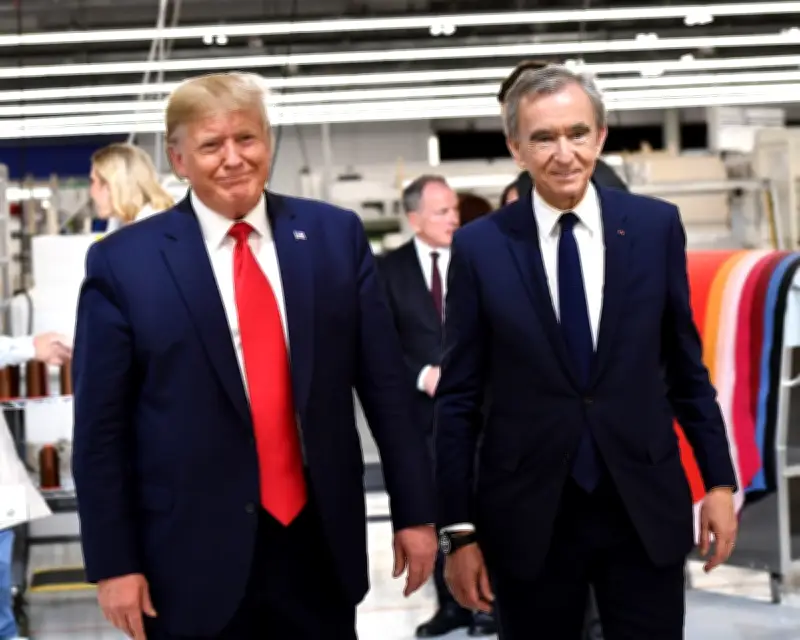
The fashion tycoon Bernard Arnault, CEO of luxury goods giant LVMH, has been accused of wielding excessive control over the French business press, sparking a debate about the concentration of media ownership and its impact on journalistic independence.
Allegations of Undue Influence
Critics allege that Arnault, one of the world's richest individuals, uses his vast wealth and corporate connections to shape editorial coverage in his favor. Reports claim that his influence extends to major French business publications, where stories about LVMH or its competitors are allegedly scrutinized or altered to avoid offending the conglomerate.
Concerns Over Press Freedom
Journalists and media watchdogs have expressed alarm over the situation, arguing that such influence undermines the integrity of business journalism. "When a single individual can dictate the narrative around an entire industry, it poses a threat to democratic discourse," said a spokesperson for Reporters Without Borders. The organization has called for greater transparency in media ownership and editorial processes.

LVMH's Response
LVMH has denied any improper influence, stating that the company respects press freedom and does not interfere with editorial decisions. In a statement, a spokesperson said, "We believe in a free and independent press and have always encouraged fair and accurate reporting." However, critics remain skeptical, pointing to a pattern of litigation and pressure against outlets that publish unfavorable content.
Broader Implications
The accusations against Arnault highlight a wider issue in France, where a handful of billionaires control much of the media landscape. This concentration of ownership has led to fears that business and political interests could stifle critical reporting. The debate comes amid growing global scrutiny of media consolidation and its effects on democracy.
As the story unfolds, journalists and civil society groups are urging regulators to examine the influence of powerful figures like Arnault on the press. The outcome could set a precedent for how France balances corporate power with the public's right to unbiased information.