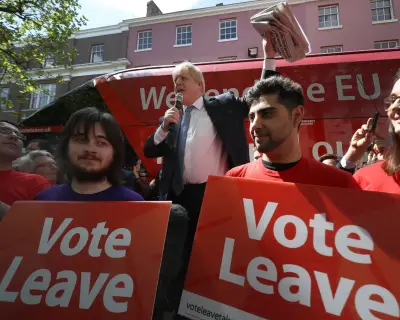
The Enduring Brexit Fault Line
Years after the 2016 referendum, the Brexit divide continues to define British politics and society. A new analysis reveals that the split between Leave and Remain voters has not healed but has instead become entrenched, influencing everything from voting behaviour to personal relationships. According to a recent study by the UK in a Changing Europe thinktank, over 70% of Leave and Remain voters still identify strongly with their side, and the issue remains a key predictor of party allegiance.
Political Realignment
The Brexit divide has reshaped the political landscape. The Conservative Party has consolidated its position as the party of Leave, while Labour has struggled to balance its Remain-leaning membership with Leave-voting constituencies. The Liberal Democrats and the Green Party have become unequivocally pro-Remain, and the Brexit Party, though diminished, still influences right-wing politics. This realignment has made cross-party cooperation on other issues, such as climate change or economic policy, more difficult.
Social and Cultural Impact
Beyond politics, Brexit has affected social dynamics. Surveys indicate that a significant minority of Britons have lost friends or avoided discussing Brexit with family members due to disagreements. The issue has also become intertwined with broader cultural identities, with Leave voters often feeling more patriotic and concerned about immigration, while Remain voters tend to be more internationalist and culturally liberal. This cultural divide mirrors the urban-rural split, as cities largely voted Remain and rural areas voted Leave.

Economic and Generational Dimensions
Economic factors underpin much of the divide. Older, less educated, and lower-income voters were more likely to vote Leave, while younger, more educated, and higher-income voters favoured Remain. This has created a generational divide, with younger Britons feeling that Brexit has damaged their future prospects. The economic consequences of Brexit—such as trade barriers and labour shortages—have reinforced these perceptions, with Remainers pointing to negative outcomes and Leavers attributing problems to poor implementation rather than the decision itself.
Prospects for Healing
Despite the persistence of the divide, there are some signs of de-escalation. The issue has become less salient in daily political debate, and many voters are fatigued by the conflict. However, the underlying identities remain strong, and any future referendum on rejoining the EU or a major trade deal could reignite the split. As one analyst noted, 'The Brexit divide is not going away; it has simply become a permanent feature of British politics.'