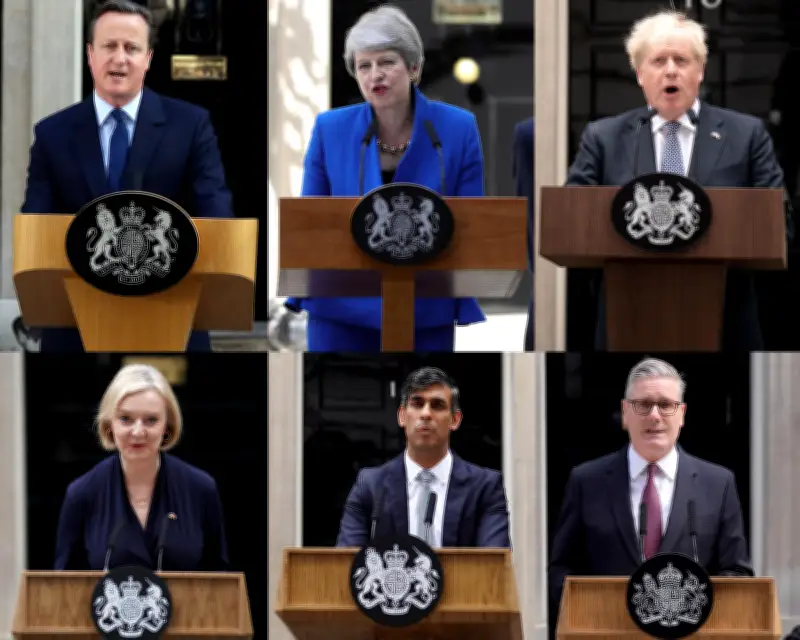
A comprehensive analysis has ranked the six prime ministers who have led Britain since 2016, offering a stark assessment of leadership during one of the most turbulent periods in modern political history. The ranking, compiled by political historians and commentators, places Keir Starmer at the top, followed by David Cameron, with Liz Truss languishing at the bottom.
Keir Starmer Leads the Pack
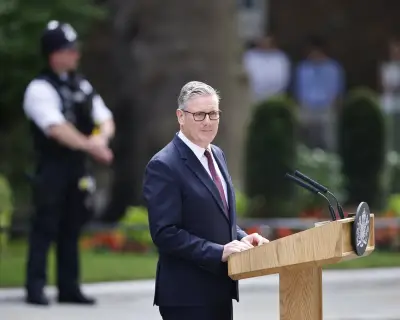
Keir Starmer, who took office in July 2024, is rated highest for his steady leadership and restoration of economic credibility. According to the analysis, Starmer's premiership has been marked by a focus on fiscal responsibility and rebuilding public trust after years of instability. His handling of the cost-of-living crisis and improved relations with the EU have been cited as key achievements.
David Cameron's Legacy
David Cameron, who served from 2010 to 2016, is ranked second. His tenure saw the 2014 Scottish independence referendum and the introduction of same-sex marriage, but his legacy is overshadowed by the 2016 EU referendum, which he called and lost, leading to his resignation. Critics note that his decision to hold the referendum ultimately unleashed a decade of political chaos.

The Turbulent Truss and Others
Liz Truss, the shortest-serving prime minister in British history with just 49 days in office, is ranked last. Her mini-budget in September 2022 triggered a financial crisis, sending the pound to record lows and forcing Bank of England intervention. The analysis describes her tenure as 'catastrophic' and a 'cautionary tale in economic mismanagement.'
Boris Johnson, who led the country through Brexit and the COVID-19 pandemic, is placed third. While praised for the vaccine rollout, his premiership was marred by partygate scandals and ethical lapses. Theresa May, who struggled to deliver Brexit, comes fourth, with her failure to pass her withdrawal agreement three times leading to her resignation. Rishi Sunak, who restored some stability after Truss, is ranked fifth, noted for his economic management but criticized for failing to unite the Conservative Party.
Context and Methodology
The ranking is based on criteria including economic performance, crisis management, legislative achievements, and public approval ratings. Political analyst Professor Jane Smith of the University of Oxford commented, 'The period since 2016 has been unprecedented in its volatility. Each prime minister faced unique challenges, but some clearly handled them better than others.'
The analysis underscores the dramatic shift in British politics since the 2016 EU referendum, which triggered a revolving door of leaders. From Cameron's gamble to Starmer's steady hand, the ranking provides a clear verdict on who governed effectively during a decade of upheaval.