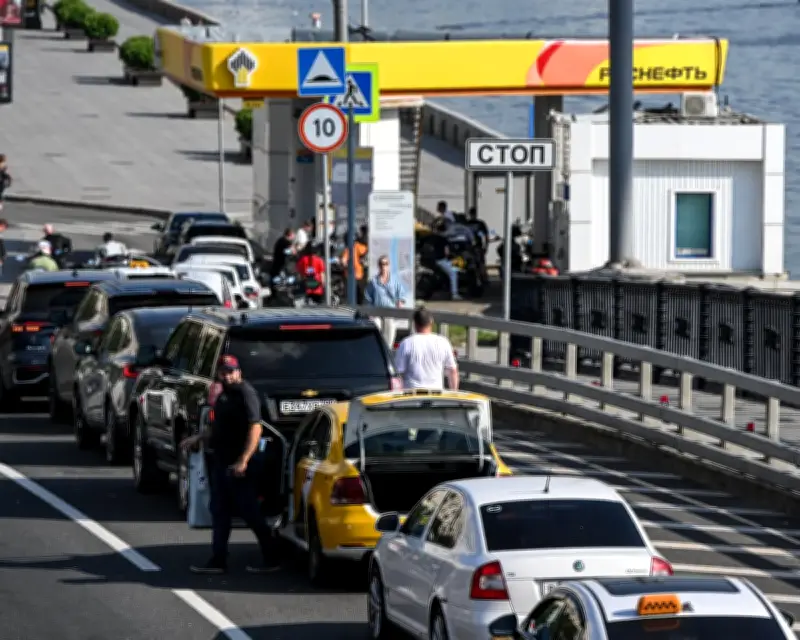
Fuel shortages in Russia are intensifying, with major cities from Moscow to Vladivostok reporting long queues at petrol stations and some outlets rationing sales. The crisis, which has been building for weeks, is now affecting daily life and economic activity across the country.
What is happening?
According to local reports, dozens of petrol stations in the Moscow region have run dry, while in cities like Novosibirsk and Krasnodar, drivers face waits of up to two hours. The shortages are particularly acute for diesel, which is critical for agriculture and freight transport. Russia's energy ministry acknowledged the problem, attributing it to a combination of planned and unplanned refinery maintenance, as well as increased demand during the summer harvest season.
Details of the crisis
Data from the Russian state statistics service shows that gasoline production fell by 6% in June compared to the previous month, while diesel output dropped by 4%. At the same time, exports of refined products have remained high, as global prices offer better margins than domestic sales. The government has imposed a ban on gasoline exports until August to try to stabilize the market, but the measure has yet to take full effect.

In a statement, the energy ministry said: "We are taking all necessary steps to ensure the domestic market is supplied. The situation is under control, and we expect production to recover in the coming weeks." However, independent analysts are less optimistic. Mikhail Krutikhin, an energy analyst at RusEnergy, said: "The problem is structural. Refineries are old and underinvested, and the government's price controls discourage production. This is not a temporary blip; it's a sign of deeper issues."
Impact on the economy
The fuel shortages are already hitting the Russian economy hard. Farmers in the southern Krasnodar region have warned that they may not be able to complete the harvest on time, which could affect grain exports. Transport companies are reporting delays, and some have been forced to suspend services. In the worst-hit areas, black market prices for fuel have surged to three times the official rate.
The crisis also poses a political risk for the Kremlin, as rising fuel prices and shortages are a sensitive issue for the public. In 2018, similar shortages led to protests in several regions. So far, there have been no major demonstrations, but discontent is growing. Social media is filled with complaints about long queues and empty pumps.
Government response
President Vladimir Putin has been briefed on the situation, according to the Kremlin. The government has ordered state-owned oil companies to prioritize domestic supplies and has threatened penalties for those found hoarding fuel. It has also released some reserves from state stockpiles, though the volume is not disclosed.
Despite these measures, many experts believe the shortages will persist into the autumn. The energy ministry expects refinery output to increase by August, but it also warned that if exports are not curbed, the problem could worsen. Some analysts argue that the only long-term solution is to invest in new refining capacity and to remove price controls that discourage investment.
As the crisis deepens, ordinary Russians are bearing the brunt. In a Moscow suburb, a taxi driver told local media: "I spent two hours waiting for petrol yesterday. I lost half a day's earnings. This is getting impossible."