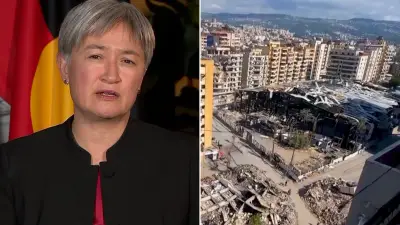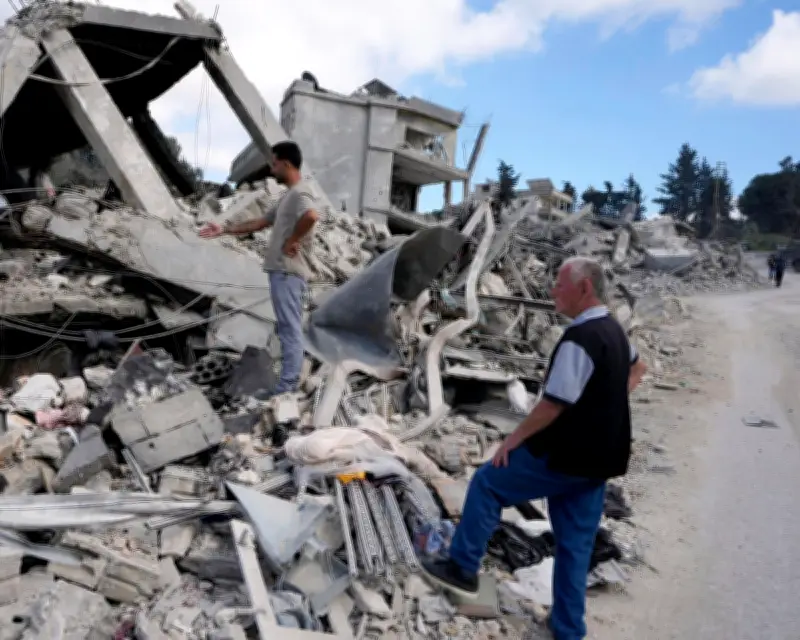
After months of intense conflict that left thousands dead and much of the country in ruins, a ceasefire has finally taken hold in Lebanon. The agreement, brokered by international mediators, has brought a fragile calm to the region. However, for many war-weary Lebanese, the response is not one of unbridled joy but a cautious mix of relief and skepticism.
A Nation Exhausted by War
The recent war has been one of the most devastating in Lebanon's history. Entire neighborhoods in Beirut and other cities have been reduced to rubble. The death toll has surpassed 10,000, with tens of thousands more injured. The economic cost is estimated in the billions, further crippling a country already reeling from a severe financial crisis. For many Lebanese, the war has been a nightmare they never thought would end.
“We have lost everything — our homes, our businesses, our loved ones,” said Fatima, a mother of three from the southern suburbs of Beirut. “This ceasefire gives us a glimmer of hope, but we have been disappointed before. We need more than just a piece of paper; we need real change.”

International Mediation and the Ceasefire Deal
The ceasefire was brokered after weeks of intense negotiations involving the United Nations, the United States, France, and regional powers. The deal calls for an immediate halt to hostilities, the withdrawal of foreign fighters, and the establishment of a buffer zone along the border. It also includes provisions for humanitarian aid and the reconstruction of damaged infrastructure.
“This is a critical step towards ending the suffering of the Lebanese people,” said UN Secretary-General António Guterres in a statement. “But we must remain vigilant. The international community must ensure that all parties adhere to the terms of the agreement.”
Mixed Reactions on the Ground
In the streets of Beirut, reactions to the ceasefire are mixed. Some Lebanese have taken to the streets in celebration, waving flags and honking car horns. Others remain indoors, wary of the potential for renewed violence. Many are skeptical that the ceasefire will hold, given the deep-seated political and sectarian divisions that have plagued the country for decades.
“I want to believe that this time is different,” said Hassan, a shop owner in central Beirut. “But I have seen too many ceasefires come and go. The root causes of the conflict have not been addressed. Without a political solution, the violence will eventually resume.”
Humanitarian Crisis Deepens
The war has created a dire humanitarian situation. Over 1 million people have been displaced, and many are living in overcrowded shelters with limited access to food, water, and medical care. The ceasefire has allowed aid organizations to begin delivering much-needed supplies, but the scale of the crisis is overwhelming.
“We are facing a catastrophe,” said Dr. Rania, a physician working in a field hospital in Tripoli. “The health system is in ruins. We are seeing cases of malnutrition and disease that we haven't seen in decades. The ceasefire is a lifeline, but we need sustained support from the international community.”
Political Uncertainty Remains
While the ceasefire has stopped the fighting, the underlying political issues remain unresolved. The war has deepened the rift between Lebanon's various political factions, and there is little consensus on how to move forward. The government, already weak and divided, is struggling to assert its authority.
“The ceasefire is a temporary measure,” said political analyst Karim Makdisi. “It does not address the fundamental problems that led to the war: corruption, sectarianism, and foreign interference. Without a comprehensive political agreement, Lebanon will remain vulnerable to future conflicts.”
A Glimmer of Hope
Despite the challenges, some Lebanese see the ceasefire as an opportunity to rebuild and forge a new path. Grassroots movements and civil society organizations are calling for a new social contract that prioritizes justice, equality, and accountability.
“We cannot waste this chance,” said activist Lina. “The war has shown us the failure of the old system. We must come together as Lebanese, not as members of different sects or political parties, to build a country that works for everyone.”

For now, the ceasefire offers a moment of respite for a battered nation. But the road to lasting peace will be long and difficult. The Lebanese people, who have endured so much, can only hope that this time, the international community will not forget them.