US-Iran Peace Deal Stalls as Trump and Tehran Exchange Conflicting Claims
Efforts to broker a peace agreement between the United States and Iran have hit a significant impasse, with President Donald Trump and Iranian leaders offering starkly different accounts of the negotiations. The conflicting claims underscore the deep mistrust that continues to plague relations between the two nations.
Trump's Optimistic Outlook
President Trump has repeatedly asserted that progress is being made toward a historic deal, stating on social media that "great things are happening" and that an agreement could be imminent. He has hinted at direct talks with Iranian officials, though no formal meetings have been confirmed. Trump's administration has emphasized a policy of maximum pressure, combining economic sanctions with diplomatic overtures.
Iran's Skepticism
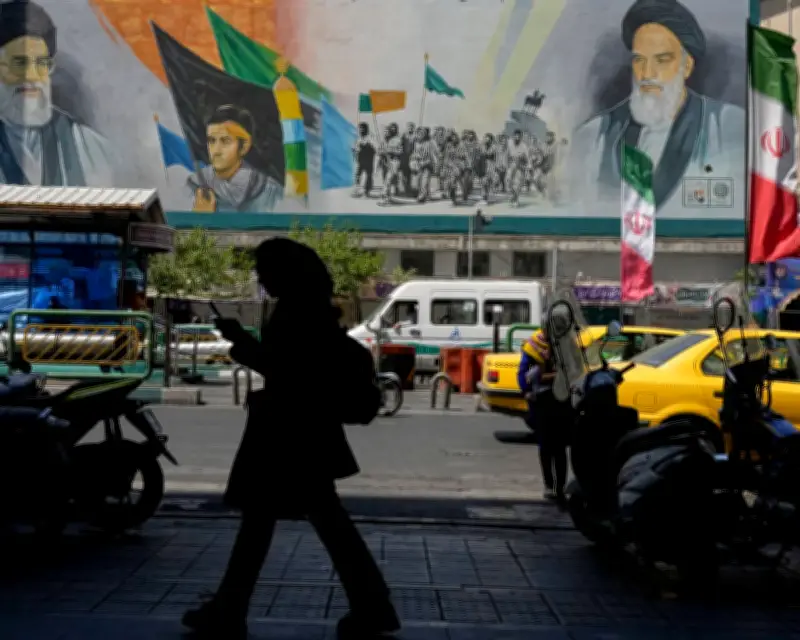
In contrast, Iranian officials have downplayed any breakthroughs. Foreign Minister Hossein Amir-Abdollahian dismissed Trump's claims as "wishful thinking" and insisted that Iran will not negotiate under duress. Tehran has demanded the lifting of all sanctions before any serious discussions can take place, a condition the US has so far rejected.

Regional and International Reactions
The stalemate has drawn concern from allies and adversaries alike. European powers, including France, Germany, and the UK, have urged both sides to return to the negotiating table, warning that a collapse in diplomacy could lead to further instability in the Middle East. Meanwhile, regional rivals Saudi Arabia and Israel have expressed skepticism about any agreement that does not address Iran's missile program and regional proxies.
Nuclear Program Concerns
At the heart of the dispute is Iran's nuclear program. The International Atomic Energy Agency (IAEA) has reported that Iran continues to enrich uranium at levels beyond those permitted under the 2015 Joint Comprehensive Plan of Action (JCPOA). The US insists that any new deal must impose stricter limits on enrichment, while Iran maintains its right to peaceful nuclear energy.
Sanctions and Economic Impact
The US has maintained crippling sanctions on Iran, targeting its oil exports and financial sector. Iran's economy has been severely impacted, with inflation soaring and unemployment rising. Tehran has sought to bypass sanctions through trade with China and other partners, but the economic pressure remains intense. Iran has threatened to further escalate its nuclear activities if sanctions are not lifted.
Path Forward
Analysts suggest that a breakthrough remains unlikely unless both sides show flexibility. The Trump administration is reportedly exploring interim agreements that could provide limited sanctions relief in exchange for nuclear concessions. However, Iran's leadership appears unwilling to compromise, given internal political pressures and a history of broken promises from the US.
As the standoff continues, the risk of miscalculation grows. Military confrontation remains a possibility, though both sides have signaled a preference for diplomacy. For now, the peace deal remains elusive, with each side blaming the other for the lack of progress.