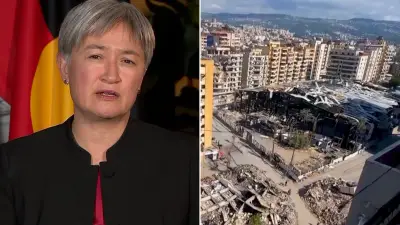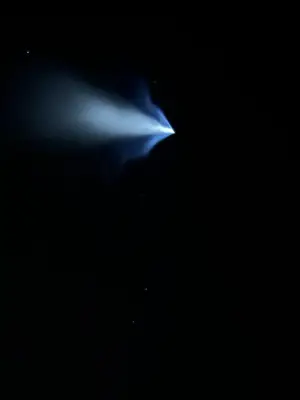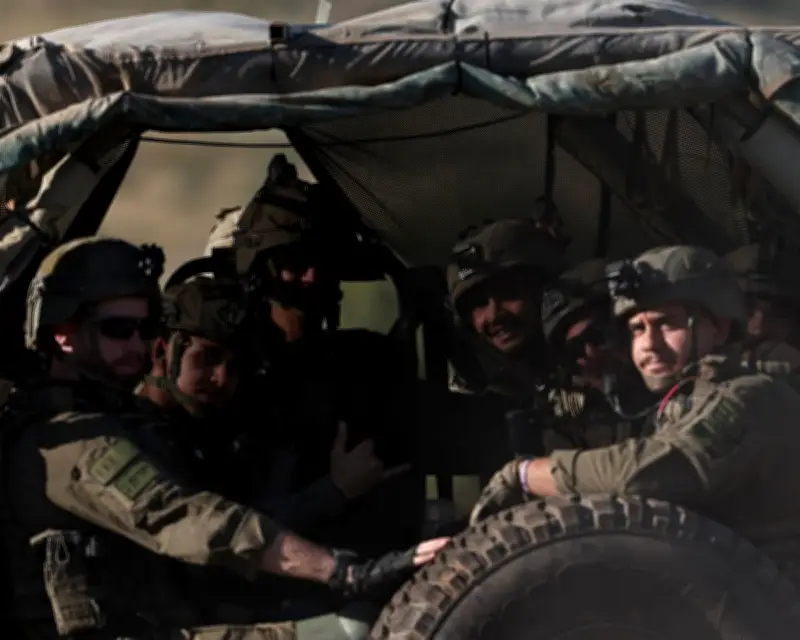
Israel's Defence Minister Israel Katz has announced the expansion of Israeli-controlled territory into southern Lebanon, a move that threatens to further destabilise the already volatile region. In a statement released on Monday, Katz declared that the Israeli military would extend its operations beyond the current buffer zone, establishing new forward positions inside Lebanese territory.
Strategic Shift in Policy
The announcement marks a significant shift in Israel's military posture along its northern border. For decades, the area has been governed by UN Security Council Resolution 1701, which ended the 2006 war between Israel and Hezbollah. Katz argued that the resolution has failed to prevent Hezbollah from building up its military capabilities near the border.
“We cannot allow Hezbollah to continue threatening our communities with impunity,” Katz said. “The security of Israeli citizens requires us to take proactive measures, including the temporary seizure of strategic hilltops and villages that have been used as bases for attacks.”

Reactions from Lebanon and Hezbollah
Lebanese officials swiftly condemned the move, calling it a violation of international law and a breach of the ceasefire agreement. Prime Minister Najib Mikati stated that Lebanon would raise the issue with the United Nations Security Council and seek urgent intervention from the international community.
Hezbollah, the Iran-backed militant group, warned of a “strong and immediate response” if Israeli forces crossed the border. In a televised address, Hezbollah deputy leader Naim Qassem said, “Any inch of Lebanese soil taken by the enemy will be met with resistance. The resistance is prepared for all scenarios.”
International Community Reacts
The United Nations Interim Force in Lebanon (UNIFIL) expressed deep concern, urging both sides to exercise restraint and adhere to Resolution 1701. A spokesperson said that UNIFIL was in contact with both parties to de-escalate tensions.
The United States called for calm, with a State Department spokesperson stating that Washington supports Israel's right to self-defence but also emphasises the importance of respecting Lebanon's sovereignty and territorial integrity. The European Union echoed similar sentiments, urging all parties to avoid unilateral actions that could lead to a wider conflict.
Regional Implications
Analysts warn that the escalation could draw in other regional actors, including Iran and Syria, potentially sparking a broader war. Tensions have been high since the October 7 attacks by Hamas on Israel, which led to a devastating war in Gaza and increased exchanges of fire along the Israel-Lebanon border.
“This is a dangerous gamble by Israel,” said Dr. Maya Lavi, a Middle East analyst at Tel Aviv University. “While the stated goal is to push Hezbollah away from the border, the actual effect could be to provoke a multi-front conflict that Israel is not prepared for.”
The Israeli military has reportedly mobilised additional troops and armour near the border, and residents in northern Israeli communities have been instructed to remain near bomb shelters. Meanwhile, Lebanese civilians in the southern villages have begun evacuating, fearing an imminent Israeli incursion.