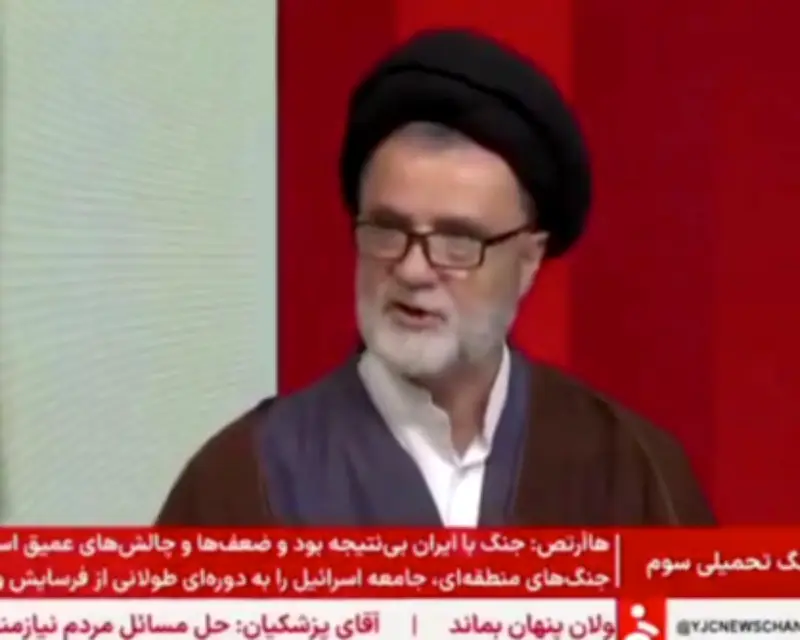
Mahmoud Nabavian, deputy chair of Iran’s national security council and a former member of the negotiating team, is facing prosecution and potential dismissal from parliament after he went on state broadcaster Irib to reveal what he claimed were confidential letters from the country’s supreme leader, Mojtaba Khamenei. The interview was cut off mid-broadcast, and an hour later the archive was removed and a senior broadcaster resigned.
Secret Letters and Alleged Overreach
Nabavian claimed he had seen secret correspondence in which the ayatollah allegedly stated that Iran’s negotiating team had overstepped its mandate during previous talks with the US in Islamabad. According to Nabavian, Khamenei set 11 conditions for continuing negotiations, including receiving compensation from the US, maintaining the right to uranium enrichment, lifting sanctions, releasing Iran’s frozen assets, and exercising full sovereignty over the Strait of Hormuz—including the immediate charging of fees to passing vessels.
Official Reactions and Denials
A spokesperson for the negotiating team dismissed Nabavian’s claims as old and distorted. The state broadcaster Irib stated that Nabavian’s statements were “evidence of a legal violation and worthy of legal prosecution.” Members of the camp of Mohammad Bagher Ghalibaf, Iran’s chief negotiator at current talks in Switzerland, called for the leaker to be identified. Centrists and reformists have long argued that Irib acts as an agent for hardliners in the Paydari or Stability Front, of which Nabavian is a supporter.

Tensions at the Top of Government
The episode reveals tensions at the highest levels of Iranian government and suggests that the newly appointed supreme leader has been taking a much more hands-on approach to the talks than previously known. Khamenei has not been seen in public or issued an audio tape, operating instead through written statements. Some reports indicate the negotiating team once had to wait a fortnight for his guidance, and that he would send detailed questions to the negotiators.
Khamenei’s Conditions and the Nuclear File
In a letter to Iran’s president, Masoud Pezeshkian, published on Thursday, Khamenei said he took a different view on the outcome of the talks but had deferred to the president’s judgment on certain conditions. Nabavian claimed the supreme leader emphasized “Iran’s monopoly on the management of the Strait of Hormuz, collecting tolls from passing vessels, restrictions on enemy ships, and allocating the revenues from the tolls to the people, families of martyrs, and veterans.” The reopening of the waterway should only happen when the US agreed to pay compensation, he ordered. The US has agreed to set up a $350 billion development fund but has said it will not contribute.
Nabavian’s Telegram Posts
Later on a Telegram channel, Nabavian continued the argument, saying he has not released secret documents and was only revealing the truth. He said that, based on the memorandum of understanding, “four issues had to be implemented before negotiations could begin: 1. End of the occupation in Lebanon and complete withdrawal 2. The release of our frozen money by America. Not borrowing from Qatar. 3. Lifting the siege 4. Temporary lifting of sanctions.” He questioned whether these preconditions had been met before foreign ministry officials went to Geneva for negotiations, and further asked: “Does that mean that people should not be aware of what the imam’s orders were and why the agents disobeyed them?”