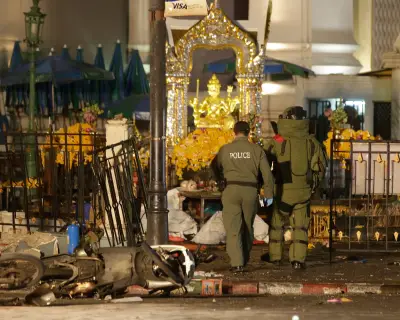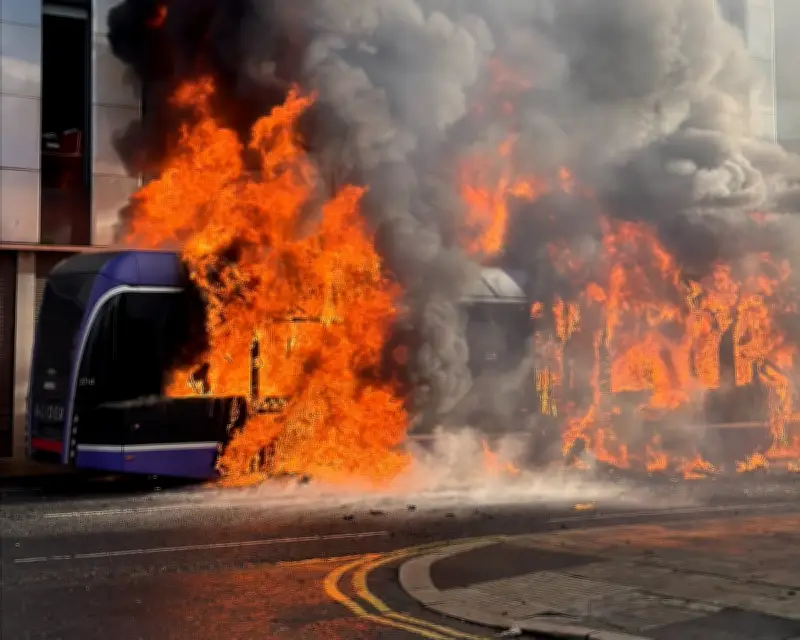
Recent violent clashes in Belfast have exposed a deeply troubling trend: a widespread indifference to suffering among those involved and observing. The riots, which erupted in various parts of the city, have left a trail of destruction and raised serious questions about the erosion of empathy in communities.
The Human Cost of Violence
During the unrest, several individuals were injured, including police officers and civilians. Yet, reports suggest that many bystanders showed little concern for the victims. In one incident, a man was seen being attacked while others filmed the event on their phones without intervening or calling for help. This callousness has shocked community leaders and social workers.
“The lack of compassion is alarming,” said Dr. Fiona Maguire, a psychologist specializing in trauma. “We are seeing a desensitization to violence, which may be fueled by social media and political polarization.”

Root Causes of the Riots
The riots were sparked by a combination of factors, including political tensions over Brexit, sectarian divides, and socioeconomic grievances. However, experts argue that the indifference to suffering reflects deeper societal issues. “When people feel disconnected from each other, violence becomes easier to justify,” noted political analyst Sean O’Neill.
Community organizations are now working to address these underlying problems. “We need to rebuild trust and empathy,” said Mary Kelly, a local youth worker. “Without that, the cycle of violence will continue.”
Impact on the Community
The riots have left many residents feeling unsafe and disillusioned. Small businesses have been damaged, and public spaces vandalized. The cost of repairs is estimated to be in the millions. Moreover, the psychological toll on children and vulnerable people is significant.
“My kids are terrified to go outside,” said mother-of-three Sarah Thompson. “They don’t understand why people are so angry and cruel.”
Political Responses
Political leaders have condemned the violence but have offered few concrete solutions. Some have called for increased police presence, while others emphasize dialogue. However, critics argue that politicians themselves have contributed to the hostile atmosphere through divisive rhetoric.
“Indifference starts at the top,” said community activist James O’Brien. “When leaders dehumanize their opponents, it trickles down to the streets.”
Moving Forward
To combat indifference, experts recommend community-based programs that promote empathy and conflict resolution. Schools are being encouraged to teach emotional intelligence, and local organizations are setting up peace-building initiatives.
“Change won’t happen overnight,” said Dr. Maguire. “But if we can reconnect people with their shared humanity, we might prevent future tragedies.”
The recent events in Belfast serve as a stark reminder of what happens when compassion fades. As the city rebuilds, the challenge remains not just to repair physical damage but to heal the wounds of indifference.