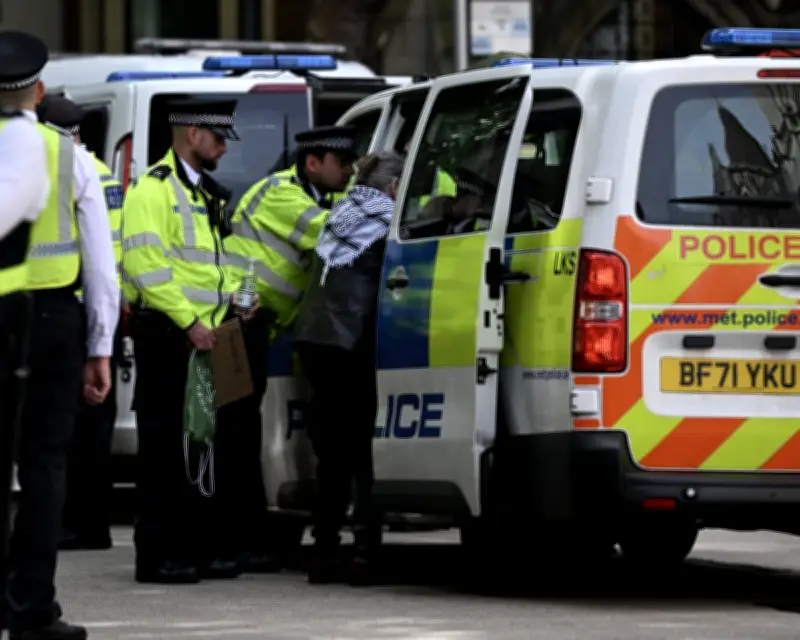
The Court of Appeal has delivered a significant ruling, upholding the ban on the Palestine Action group as lawful. The decision has left many of the group's supporters and arrested protesters devastated, though they have vowed to continue their activism through other means.
Background of the Ban
The ban on Palestine Action was initially imposed by the government under counter-terrorism legislation, citing concerns over the group's activities, which included direct action and protests against companies and institutions allegedly complicit in Israeli policies. The group has been involved in high-profile demonstrations, including occupations and blockades, which authorities argued crossed the line into criminality.
Legal Challenge
Several individuals who were arrested during these protests challenged the legality of the ban, taking their case to the Court of Appeal. They argued that the ban was disproportionate and violated their rights to freedom of expression and assembly. However, the court disagreed, ruling that the ban was a necessary and proportionate measure to protect public order and national security.

Reactions from Protesters
Following the ruling, many protesters expressed their disappointment. One activist stated, "We are devastated by this decision. We believe in our cause and the right to protest peacefully. This ban is an attack on our democracy." Another added, "This will not stop us. We will find other ways to make our voices heard."
Government Response
The government welcomed the court's decision, with a spokesperson saying, "We are pleased that the court has recognized the importance of maintaining public order and safety. The ban on Palestine Action was not taken lightly, but it was necessary to prevent further disruption and potential harm."
Implications for Future Protests
The ruling sets a precedent for how similar groups may be treated in the future. Legal experts suggest that it could embolden the government to impose bans on other activist groups that use direct action tactics. However, civil liberties organizations have expressed concern, warning that such bans could stifle legitimate protest and dissent.
Despite the setback, Palestine Action supporters are already planning their next steps. They are considering legal appeals to higher courts, including the Supreme Court, and are exploring non-violent forms of protest that may not fall under the ban. The group's leadership has called for calm but also for continued resistance against what they see as an unjust law.
In the meantime, those arrested during previous protests face ongoing legal proceedings. Their lawyers have indicated that they will use the appeal court's ruling to argue for leniency, though the outcome remains uncertain.
The case has drawn international attention, with human rights groups and foreign governments monitoring the situation. Some have criticized the UK's approach, arguing that it sets a dangerous precedent for the treatment of pro-Palestinian activism worldwide.