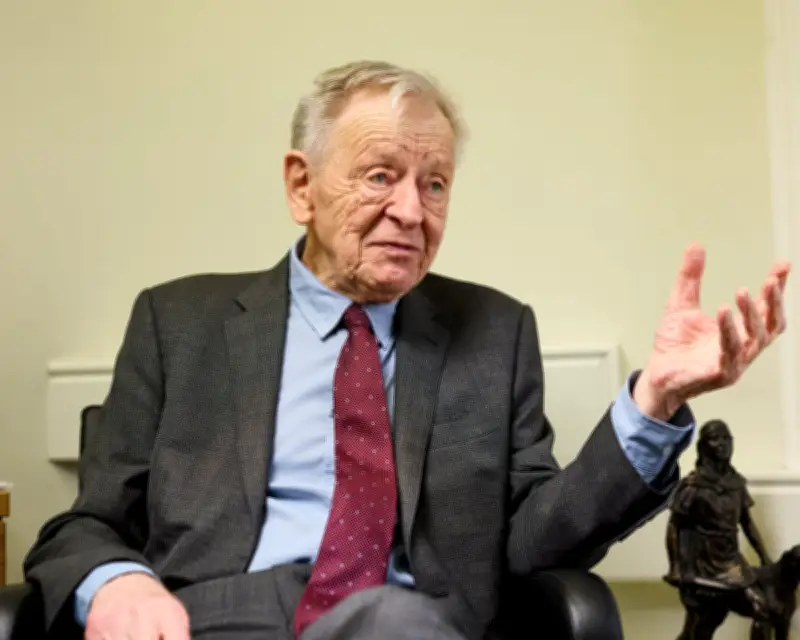
Labour peer Alf Dubs has called for the removal of Home Secretary Shabana Mahmood and the complete scrapping of her asylum plans, describing them as a moral failure that damages the United Kingdom's international reputation. In a strongly worded intervention, Lord Dubs, a child refugee who fled Nazi persecution, argued that the current approach to asylum is both inhumane and ineffective.
Lord Dubs' Call for Change
Speaking to the Guardian, Lord Dubs said the Home Secretary's policies have betrayed the country's long-standing tradition of offering sanctuary to those fleeing persecution. He accused Mahmood of pursuing a 'cruel and counterproductive' agenda that mirrors the previous Conservative government's approach. 'The government must remove Shabana Mahmood and rip up her asylum plans,' he stated. 'These policies are not only morally wrong but also fail to address the real challenges of migration.'
Lord Dubs, who arrived in Britain in 1939 on the Kindertransport, has been a vocal advocate for refugee rights. He argued that the current system deters genuine asylum seekers while failing to tackle illegal immigration effectively. 'We need a system that is fair, efficient, and compassionate, not one that punishes the most vulnerable,' he added.

Details of the Asylum Plans
The asylum plans in question include stricter border controls, accelerated deportations, and a reduction in the number of refugees accepted through resettlement schemes. Critics say these measures undermine the UK's obligations under international law, including the Refugee Convention. According to Home Office figures, asylum applications have risen by 20% in the past year, with over 80,000 pending cases. The government argues that the new policies are necessary to deter dangerous Channel crossings and reduce the backlog.
However, Lord Dubs contends that the plans are a 'political gesture' rather than a practical solution. 'The focus should be on safe and legal routes, not on making life harder for those who have already suffered immensely,' he said. He also highlighted that the cost of processing asylum claims and enforcing deportations has soared, with the Home Office budget for asylum operations increasing by 30% to £4.5 billion.
Impact on the UK's Reputation
Lord Dubs warned that the UK's standing on the global stage is being eroded. 'We are seen as a country that turns its back on the vulnerable,' he said. 'This is not the Britain I know.' His comments come amid growing criticism from international human rights organizations, including the United Nations Refugee Agency (UNHCR), which has expressed concern over the UK's treatment of asylum seekers.
A recent report by the Refugee Council found that 70% of asylum seekers in the UK are fleeing war, conflict, or persecution, with many suffering from severe trauma. The report also noted that the current system's delays and uncertainty exacerbate mental health issues. 'The government's approach is making a bad situation worse,' said a Refugee Council spokesperson.
Political Reactions
The Labour government has defended its asylum policy, with a Home Office spokesperson stating that the plans are 'firm but fair' and designed to 'restore order to the system.' The spokesperson added that the government is committed to protecting genuine refugees while cracking down on illegal immigration. 'We are taking decisive action to stop the boats and ensure our borders are secure,' the spokesperson said.
However, Lord Dubs' call has been echoed by some Labour MPs and refugee advocacy groups. Shadow Home Secretary (if applicable) has not yet commented. The Liberal Democrats have also criticized the plans, calling for a more humane approach. 'The government must listen to Lord Dubs and others who understand the real impact of these policies,' said a party spokesperson.
Next Steps
Lord Dubs has urged the Prime Minister to intervene and appoint a new Home Secretary who will 'restore compassion to the asylum system.' He also called for a parliamentary debate on the issue. 'This is not just about policy; it is about who we are as a nation,' he concluded. The government has not indicated any willingness to change course, but the pressure is mounting as the humanitarian and reputational costs of the current approach become increasingly clear.