The recent outbreak of hantavirus on the MV Hondius cruise ship has sent shockwaves through the global health community. This incident serves as a stark reminder that infectious diseases know no borders and can rapidly escalate in our interconnected world.
The MV Hondius Incident
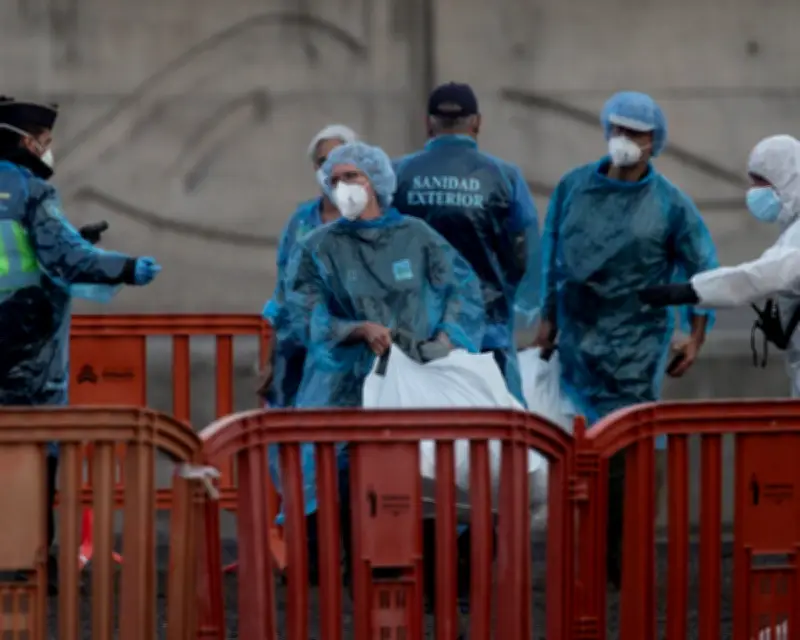
The MV Hondius, a cruise ship sailing in remote waters, became the epicenter of a hantavirus outbreak that infected dozens of passengers and crew. The virus, typically transmitted through rodent droppings, found its way onto the ship, leading to a public health emergency. The ship was forced to quarantine, and international health organizations scrambled to contain the spread.
Implications for Global Health
This outbreak underscores the vulnerabilities in our global health infrastructure. Despite advances in medicine and surveillance, a single case can spiral into a crisis. The MV Hondius incident is not an isolated event; it is a symptom of a larger problem: the lack of coordinated global health security.

Countries have increasingly turned to isolationist policies, closing borders and restricting travel in times of crisis. However, the MV Hondius shows that isolation is not a viable long-term strategy. The virus traveled across continents, carried by asymptomatic individuals, highlighting the need for robust international cooperation.
Strengthening Public Health Systems
To prevent future outbreaks, we must invest in public health infrastructure worldwide. This includes:
- Enhanced surveillance systems to detect emerging threats early
- Rapid response teams capable of deploying to any location
- Global data-sharing platforms to track pathogens in real-time
- Equitable access to vaccines and treatments
The World Health Organization and other international bodies must be empowered to coordinate responses across borders. National governments should prioritize funding for public health, recognizing that health security is a global public good.
The Role of Travel and Tourism
The travel industry also has a responsibility. Cruise ships, airplanes, and other high-density transport hubs must implement rigorous hygiene protocols and health screenings. Passengers should be educated about risks and encouraged to report symptoms promptly.
The MV Hondius outbreak is a wake-up call. It reminds us that in a globalized world, health threats are shared. Isolation is not a solution; solidarity and cooperation are our best defenses. We must learn from this incident and build a more resilient global health system before the next crisis strikes.