In an increasingly hostile political landscape, LGBTQ communities worldwide are grappling with a fundamental question: how to celebrate Pride when the very rights they march for are under siege. According to a recent analysis by Human Rights Watch, 2025 saw a record number of anti-LGBTQ bills introduced in legislatures across the United States, with over 500 proposed laws targeting transgender rights, drag performances, and access to gender-affirming care.
The Global Backlash Against LGBTQ Rights
This wave of legislation is not confined to the U.S. In Hungary, a 2021 law banning the "promotion of homosexuality" to minors has been used to silence LGBTQ voices in education and media. Uganda's Anti-Homosexuality Act, signed in 2023, imposes the death penalty for certain same-sex acts, drawing international condemnation. Russia has expanded its "gay propaganda" law to effectively outlaw any public expression of LGBTQ identity. These measures have created a climate of fear, forcing many Pride events to adopt heightened security measures or cancel altogether.
Pride's Origins as a Protest
Pride began as a riot—a spontaneous uprising against police brutality at the Stonewall Inn in 1969. For decades, the annual marches were a defiant assertion of visibility and demands for equality. However, critics argue that Pride has become increasingly commercialized, with corporate sponsors and parade floats overshadowing the original protest ethos. "Pride is not a party; it's a political statement," says Sarah McBride, a transgender rights advocate and Delaware state senator. "As we face unprecedented attacks, we must return to our roots and use Pride as a platform for resistance."

Rethinking Pride in a Hostile Era
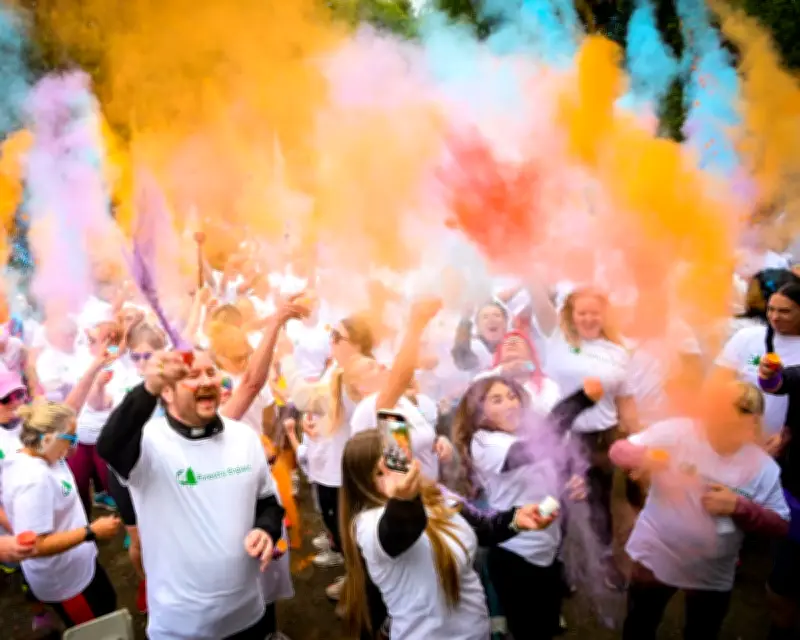
In response to the backlash, some communities are reimagining Pride. In Florida, where the "Don't Say Gay" law restricts classroom discussion of sexual orientation and gender identity, organizers have shifted focus to family-friendly events that emphasize education and community support. In Texas, where the governor has targeted drag shows, Pride parades have incorporated more overt political messaging and protest elements. "We're seeing a return to the grassroots, with smaller, more localized events that prioritize safety and solidarity over spectacle," explains Dr. James Williams, a sociologist at the University of Melbourne.
The Role of Digital Activism
Digital platforms have become a crucial tool for LGBTQ communities in hostile environments. Online Pride events, virtual marches, and social media campaigns allow participation without physical risk. However, these spaces are not immune to harassment and censorship. Social media companies have been criticized for inconsistent enforcement of hate speech policies, often leaving LGBTQ users vulnerable.
Looking Ahead: Resilience and Adaptation
Despite the challenges, LGBTQ communities continue to demonstrate resilience. In countries like Kenya and Ghana, where same-sex relations are criminalized, underground Pride events persist, often under the guise of arts festivals or human rights conferences. "We will not be silenced," says activist Binyavanga Wainaina from Nairobi. "Pride is not just a parade; it is a lifeline. It reminds us that we are not alone." As the landscape grows more hostile, the core message of Pride—visibility, dignity, and the demand for equality—remains as urgent as ever.