Indefinite Detention of African Women in India
Twenty-two African women, including trafficking victims and refugees, are being held indefinitely in Indian immigration detention centres, where they allege filthy conditions, beatings, and denial of medical care. Among them is Mary, a 55-year-old Kenyan mother of four living with HIV, who has been without antiretroviral drugs for nine months, causing her health to deteriorate rapidly.
Mary's Ordeal: From Kenya to Indian Custody
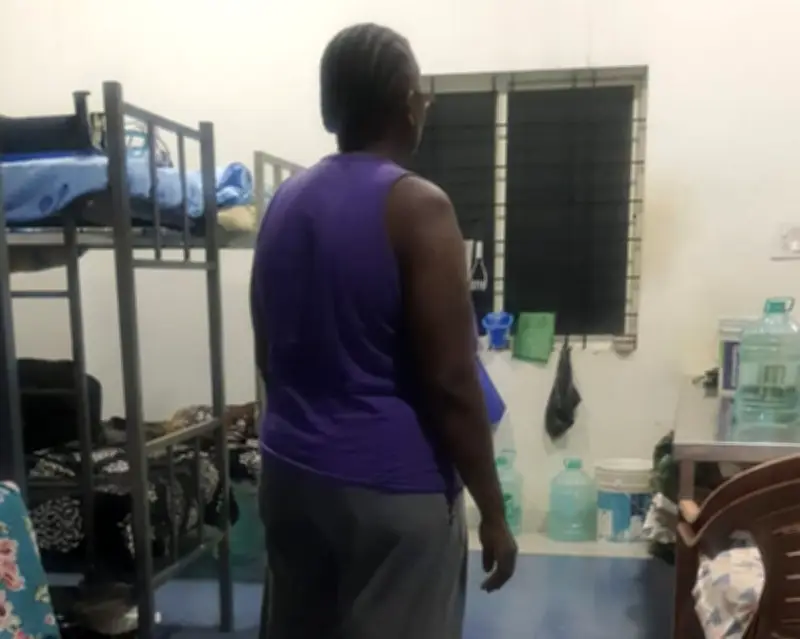
Mary was running a pavement clothing stall in Kisumu, Kenya, when a woman offered her well-paid work in India. She agreed to carry a bag on a flight to Delhi in September 2023. Upon landing in Bengaluru, she was intercepted by an anti-narcotics team; the bag contained cocaine. After serving a two-year sentence, she was transferred to a foreigners' detention centre in September 2024. She has no access to her legal documents and does not know the status of her case. Her legs are swollen, blood pressure has soared, and she has collapsed from weakness. “If I don’t get my tablets, I may become bedridden. And then no airline will take me home,” Mary said.
Systemic Neglect and Abuse
Mary described a life of neglect and fear. Three months ago, a 36-year-old Ugandan woman with HIV, a trafficking victim, died in the same centre. Mary fears a similar fate. “Sometimes I cry alone. I just pray for a miracle,” she said. Across India, the foreign national detention system absorbs entire families, including children. The Guardian interviewed 22 women in three centres who allege indefinite detention in poor and abusive conditions. Many are trafficking victims picked up for visa infractions and held for months or years with no timeline for release.

Lily's Story: Trafficking and Detention with Children
Lily, 27, a Ugandan survivor of sex trafficking, was arrested in a police raid in April 2025 at 3am, along with her sons aged two and four. Police broke the lock and stormed in. Her visa was deemed invalid, and the family was taken to a detention centre near Bengaluru. More than a year later, they remain there. Her sons live with filth and constant mosquito bites. “Instead of being in schools, they are growing up in a cage. They need to read books, play games in the open and be children,” Lily said. She was lured from Kampala by a job promise and trafficked into sex work in Karnataka in 2019. She has no way to contact officials, her passport is confiscated, and she has no access to legal paperwork. “Lawyers demand huge fees for empty promises of freedom, only to disappear. I have no income, no financial support and no family to turn to,” she said.
Police Crackdowns Target African Nationals
In 2025, a coordinated series of police crackdowns called Operation Clean Sweep targeted African nationals, including children, in Delhi, Tamil Nadu, Hyderabad, and other states. Human rights activists say many of those held are long-term trafficking victims, refugees, or people with pending legal cases, now locked in a system where missing documentation leads to lengthy imprisonment. Liyi Marli Noshi, a lawyer working on foreign nationals' cases, said the legal system often fails to recognize victims as victims. “When African nationals are detained, the first assumption is that they are illegal migrants who have overstayed their visas. The trafficking element is not properly investigated. Once this framing is established, it is incredibly difficult to shift the legal narrative back to victimhood or exploitation,” Noshi said.
Children Losing Basic Rights
Nirmala Walter, founder of the Delhi-based anti-trafficking organisation Manobal, said women who survive trafficking and their children born in India face deep prejudice, lack of documentation, limited healthcare, and social exclusion. “These children are losing their basic right to education and instead inheriting the consequences of human trafficking,” Walter said. The Guardian sought comment from the FRRO, home affairs and external affairs ministries, the Ugandan high commission, and Delhi police, but received no response.

Yuvi's Despair: Trafficking and Indefinite Incarceration
In a Delhi detention centre, Yuvi, 24, a Nigerian, waits for news that never comes. Lured to India in September 2024 with a promise of a hairdressing job, she was forced into sex work and told she owed a ransom of 3.5 million naira (£1,900). After escaping, she worked as a hairdresser until police stopped her in May 2025 for an expired visa. She was taken to a detention camp. Officials say only those with return tickets can leave; otherwise, indefinite incarceration continues. She paid 20,000 rupees (£160) to an officer for help with a ticket home, but remains stranded. The same officer beat her with a stick, as shown in photographs of her injuries. “I’m tired and frustrated. All we hear now is that we will be sent home, but no one can tell us when. I have no money now. I keep thinking of killing myself,” Yuvi said.