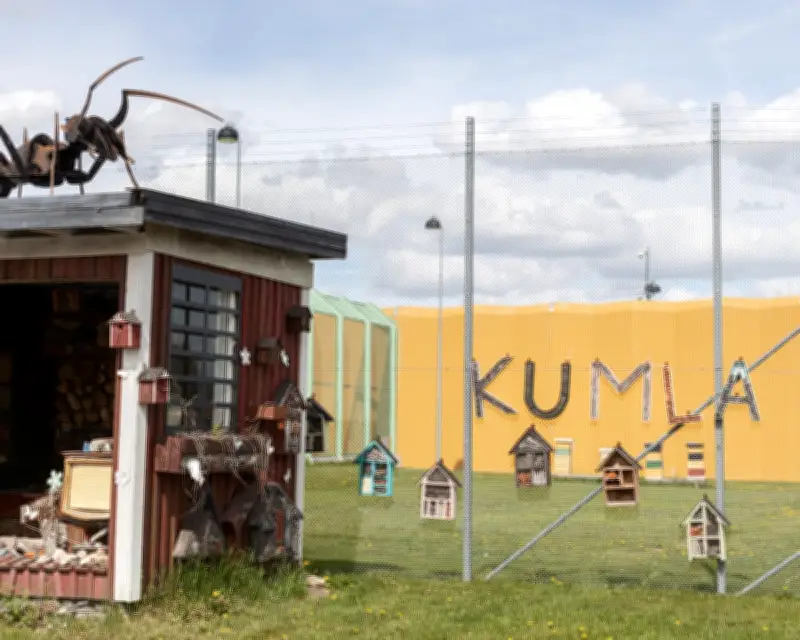
Kumla, a high-security prison in central Sweden, is preparing to house children as young as 13 for the first time in its 60-year history. New furniture has been ordered, extra beds removed from adult cells, and classrooms are under construction. The walls are being repainted from red to light green to create a more welcoming environment.
Background of the law change
The Swedish parliament has approved plans for 15- to 17-year-olds convicted of serious crimes to serve sentences in prison, effective July. In June, it is expected to vote to lower the criminal age of responsibility from 15 to 13 for crimes carrying a minimum of four years' imprisonment. Justice Minister Gunnar Strömmer cited an "emergency situation" due to rising gang violence, including drug dealing, fraud, and robbery.
Opposition from experts
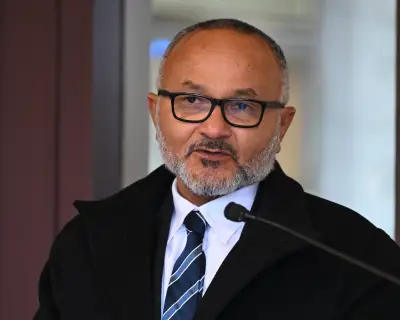
Kumla prison chief Jacques Mwepu is against incarcerating children but says he will "do as much as we can" to ensure their comfort. Currently, under-18s serve sentences in secure care homes run by the Swedish National Board of Institutional Care (SiS), which have faced criticism for security failures. The changes are part of a broader crackdown by Ulf Kristersson's centre-right coalition, supported by the far-right Sweden Democrats.

Fatal shootings have fallen, but gangs are grooming younger children for violent crime. The prison population has nearly doubled in a decade, with plans to expand capacity from 12,000 to 19,500 by 2035. Sweden's average prison age is 34, among the lowest in Europe.
Criticism from rights groups
The decision has been condemned by Unicef, Save the Children, and researchers. Li Melander of Unicef Sweden called it a "very big setback for children's rights." Peter Helenius, head of an SiS home, argued that 13-year-olds "have no place in a prison" and that the measure is unlikely to deter, as children lack capacity to consider consequences.
At Kumla, children will be housed separately in 11 sq metre cells with a shower, toilet, desk, and TV. They will attend school and structured activities, unlike adults who work in the laundry. Each unit holds eight children, with potential expansion to 32 places.
Challenges and concerns
Kumla is already overcrowded, with its population rising from 432 to 757 since 2020. Mwepu noted that children involved in crime are often victims as well as perpetrators, having experienced abuse and trauma. A recent report found that 90% of children under 15 investigated for serious crimes were known to social services, and nearly half had psychiatric diagnoses.
Justice Minister Strömmer acknowledged that some children are victims but suggested others seek out gangs. He criticized the SiS system for failing to rehabilitate offenders, with 90% of gang-linked youth reoffending. Mwepu, though resigned, said he would advise against imprisoning 13-year-olds but now focuses on ensuring good conditions.