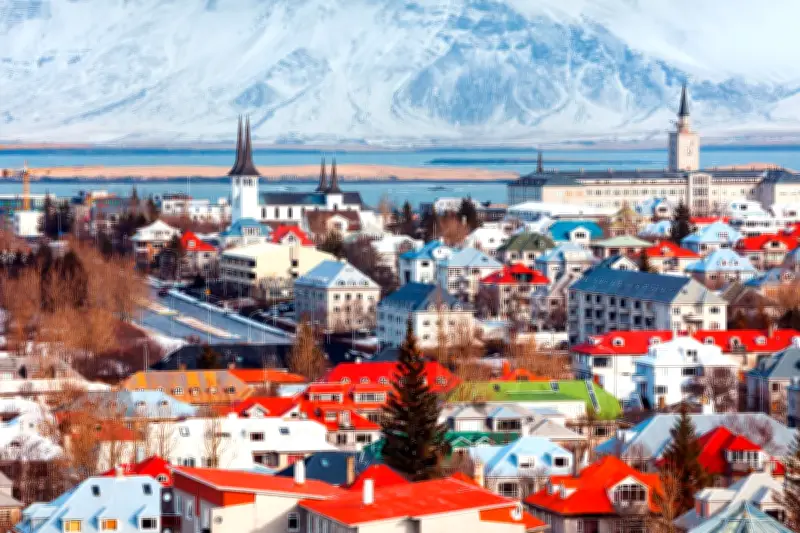
Iceland's renewed push to join the European Union is colliding with the bloc's inflexible regulations, particularly concerning fisheries and agriculture, according to analysts. The Nordic island nation, which applied for membership in 2009 but froze talks in 2013, has revived its bid amid shifting geopolitical dynamics. However, Brussels' rigid rules pose significant hurdles.
Fishing rights at the forefront
The core of the dispute lies in the Common Fisheries Policy (CFP), which would require Iceland to open its waters to EU fleets and adhere to quota allocations. Iceland's fishing industry, accounting for over 40% of its exports, fears losing control over its marine resources. "The CFP is a non-starter for us," said Helgi Laxness, a fisheries economist at the University of Iceland. "Our entire economy is built on sustainable management of fish stocks, not Brussels' quotas."
Agricultural protections threatened
Similarly, Iceland's agricultural sector, heavily subsidized and protected by high tariffs, would be exposed to EU competition. The country's harsh climate limits farming to hardy crops and livestock, making it vulnerable to cheaper imports. "If we join the EU, our farms will be wiped out," warned Sigridur Thorsdottir, a farmer in southern Iceland. "We can't compete with continental producers."

Economic and political implications
Beyond sector-specific concerns, Iceland's EU membership would require adopting the euro, surrendering monetary policy independence. The country's experience with the 2008 financial crisis, where it devalued its currency to recover, remains fresh. "Icelanders are wary of losing control over their economy again," said political analyst Bjorn Jonsson. "The EU's one-size-fits-all approach doesn't suit us."
Despite these obstacles, proponents argue that membership would provide stability and access to EU markets. Iceland's foreign minister, Gudlaugur Thor Thordarson, stated, "We are exploring all options. The world has changed, and we must adapt." However, with public opinion split and Brussels showing little flexibility, the path forward remains uncertain.