Hungary's state-run public television and radio stations went off the air on Wednesday, July 7, 2026, in an unprecedented suspension that the government attributed to a technical malfunction. The shutdown came amid escalating tensions between Prime Minister Viktor Orban and opposition leader Peter Magyar, who has accused the government of muzzling independent media.
Broadcasting Blackout Hits National Channels
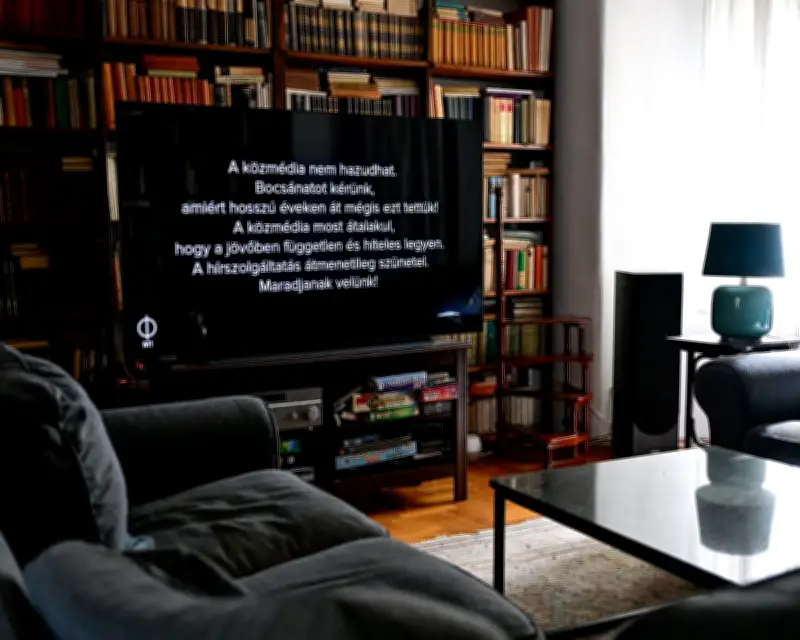
At approximately 10 a.m. local time, all channels operated by Duna Media, the state-owned public broadcaster, went dark. Viewers saw a static screen with a message citing "unexpected technical difficulties." Radio stations, including Kossuth Radio, also fell silent. The outage affected both terrestrial and satellite signals, leaving millions without access to public news and entertainment.
Government spokesperson Zoltan Kovacs stated that the suspension was due to a "critical server failure" and that engineers were working to restore service. However, opposition leaders and media watchdogs expressed skepticism, noting that the shutdown coincided with a planned protest by Magyar's party outside the broadcaster's headquarters in Budapest.

Political Context: Orban vs. Magyar
Peter Magyar, a former Orban ally turned fierce critic, has been leading a campaign against what he calls the "authoritarian drift" of the Orban government. Magyar's party, the Movement for a Free Hungary, has gained traction in recent polls, threatening Orban's decade-long grip on power. On Tuesday, Magyar accused the government of using public media as a propaganda tool and called for its independence.
According to a statement from Magyar's office, the broadcasting suspension was a deliberate attempt to suppress coverage of his anti-government rally, which drew an estimated 50,000 protesters to Budapest's Kossuth Square. "This is a desperate act by a regime that fears the truth," Magyar said. "They cannot silence us."
International Reaction and Media Freedom Concerns
The suspension drew swift condemnation from international organizations. Reporters Without Borders (RSF) ranked Hungary 85th in its 2026 World Press Freedom Index, a decline of 10 places from the previous year. RSF's Hungary representative, Anna Nagy, called the blackout "a dangerous escalation in the government's assault on independent journalism." The European Union's commissioner for digital affairs, Margrethe Vestager, said the bloc would investigate whether the shutdown violated EU media freedom standards.
Orban's government has long been accused of curbing media freedom, with public broadcasters often echoing government narratives. In 2024, a controversial media law gave the government greater control over Duna Media's editorial board. Critics argue that Wednesday's suspension is the latest in a series of moves to consolidate state control over information.
Technical Explanation vs. Political Motive
State broadcaster Duna Media released a brief statement saying the outage was caused by a "power surge that damaged critical infrastructure." It promised a full investigation and estimated service restoration within 48 hours. However, independent cybersecurity experts noted that no other major broadcasters reported similar issues. "The timing is highly suspect," said cybersecurity analyst Gabor Szabo of the Budapest-based Digital Rights Institute. "A targeted attack on a single broadcaster is possible, but a simple power surge would likely affect other utilities too."
Meanwhile, Magyar's supporters gathered outside Duna Media's building, chanting "Free the press!" Police were deployed but reported no major incidents. The protest remained peaceful as of Wednesday evening.
Impact on Public and Upcoming Elections
The blackout has left many Hungarians reliant on private news outlets and social media for information. With local elections scheduled for October 2026, opposition parties argue that the government is attempting to manipulate the electoral process. "Every day without independent public broadcasting is a victory for Orban's propaganda machine," said independent MP Klara Dobrev.
As of press time, public broadcasting remained offline, with no clear timeline for restoration. The crisis has further polarized Hungary's political landscape, with Orban's Fidesz party dismissing the allegations as "baseless conspiracy theories."