In an era often described as global rupture, where the strong dominate and the weak suffer, international law appears shattered. Russia's invasion of Ukraine, Israel's attacks on Gaza, and US-Israeli strikes on Iran seem to confirm this bleak outlook. However, a closer look reveals a different, more hopeful path forward.
Ukraine's Resilience
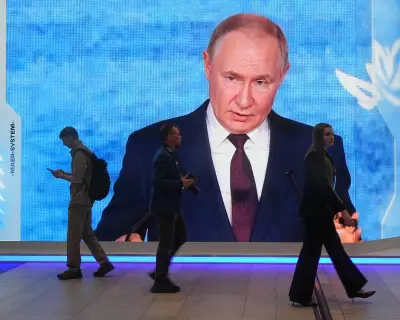
Russia, once seen as a formidable military power, was expected to overwhelm Ukraine. Despite a protracted stalemate, Ukraine has stood tall, defying predictions of doom. While Russia has violated international law and remains stronger militarily and demographically, and while US support under Donald Trump has wavered, European backing has been strong. Ukraine's endurance shows that even the strongest do not always prevail.
Iran and the Strait of Hormuz
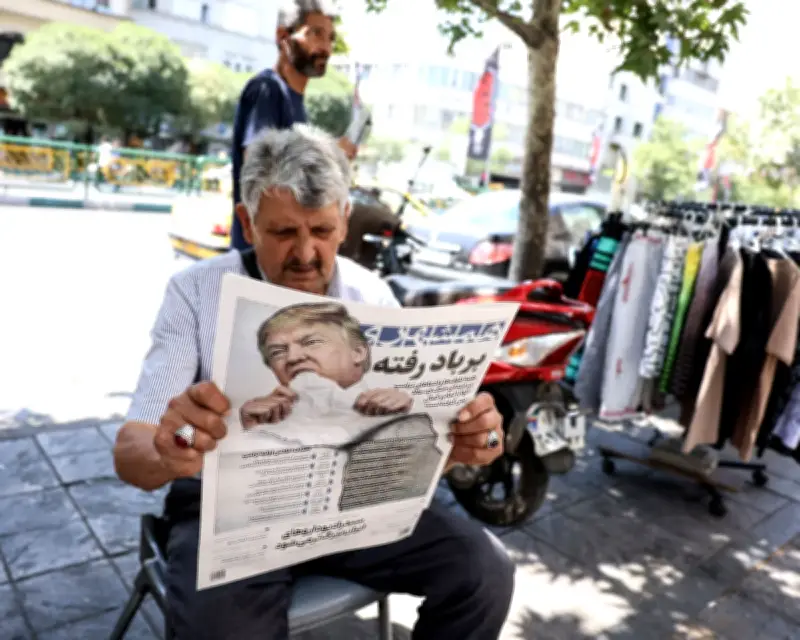
In the Middle East, the US and Israel attacked Iran twice, violating international law. European leaders eventually acknowledged this illegality. Despite expectations that Iran would collapse, a memorandum of understanding (MoU) was reached between the US and Iran, reopening the Strait of Hormuz. The MoU implicitly recognizes Iranian control, resumes frozen assets, and temporarily waives oil sanctions for nuclear negotiations. This deal, criticized in both the US and Israel, demonstrates that even superpowers can fail.

European Initiatives
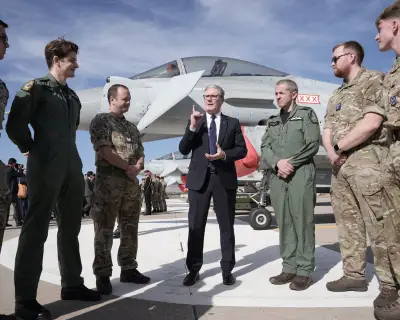
Europe has shown encouraging signals. A coalition of about 40 countries, led by France and the UK, has assembled a taskforce to clear mines from the Strait of Hormuz and secure shipping. This initiative, grounded in international law and coordinated with coastal states, signals Europe's willingness to play a constructive role. However, it may not proceed due to US disinterest and Iranian rejection.
A more concrete initiative involves Norway providing legal counsel to Iran, Oman, Pakistan, and Qatar to ensure any post-strait arrangements comply with the UN Convention on the Law of the Sea (Unclos). This soft, demand-driven contribution helps restore European credibility.
Israeli-Palestinian Conflict
European credibility remains weak on the Israeli-Palestinian conflict, where Israel's violations of international law go unpunished. EU sanctions on extremist Israeli ministers require unanimity and are unlikely. However, a more significant move—banning imports from illegal Israeli settlements in the West Bank—requires only a qualified majority vote. Most member states support this, and Italy has signaled a shift. Germany opposes, citing historical comparisons, but this argument is widely condemned. EU High Representative Kaja Kallas has asked the European Commission to table a proposal, though Commission President Ursula von der Leyen may resist. Europe should uphold international law rather than fight a losing battle.
These developments show that despite egregious violations, international law still holds promise. Europe must seize this moment to reassert its commitment to global norms.