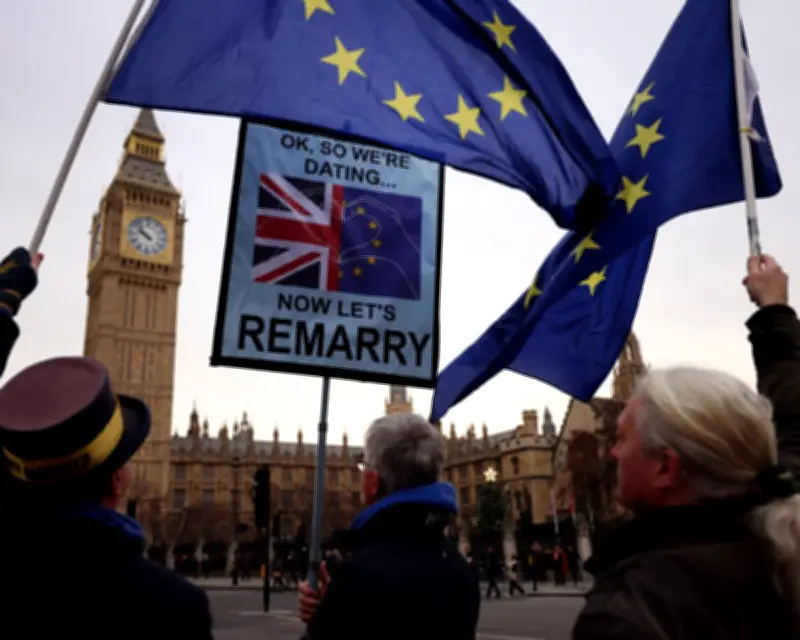
As the United Kingdom contemplates the possibility of rejoining the European Union, it must first come to terms with a fundamental truth: the relationship has changed irreversibly. The romantic notion of simply picking up where things left off before Brexit is not only naive but dangerous. The EU has evolved, and so has the UK's place in the world.
The New European Landscape
Since the UK's departure, the European Union has undergone significant transformations. New regulations, policies, and a strengthened sense of unity among remaining members mean that any return would not be on the same terms. The UK would have to accept the EU's current rules, including commitments to deeper integration that it once opted out of.
Economic Realities
Leaving the EU has cost the UK economy billions in lost trade and investment. However, rejoining would require accepting the euro and Schengen area participation, which many Britons oppose. The economic benefits of rejoining must be weighed against the loss of sovereignty over monetary and border policies.

Political Hurdles
Politically, the EU is wary of another British membership that could be reversed again. Trust has been eroded, and the UK would need to demonstrate unwavering commitment. Moreover, the EU's decision-making processes have become more streamlined without the UK's frequent opt-outs and demands for special treatment.
Lessons from History
The UK's previous membership was fraught with tension, from Margaret Thatcher's budget rebate battles to David Cameron's renegotiation attempt. These episodes show that the UK often saw itself as separate from the European project. To rejoin, it must embrace a more cooperative spirit.
Public Sentiment
Public opinion has shifted, with polls now showing a majority in favor of rejoining. But this support is fragile and depends on the terms of re-entry. The government must lead a honest national conversation about what rejoining entails, including the compromises required.
In conclusion, if Britain truly wishes to return to the European fold, it must do so with open eyes, accepting the EU as it is today, not as it was in 2016. Only then can a stable and mutually beneficial relationship be rebuilt.