Wave Energy Project Brings Renewables to Remote Community
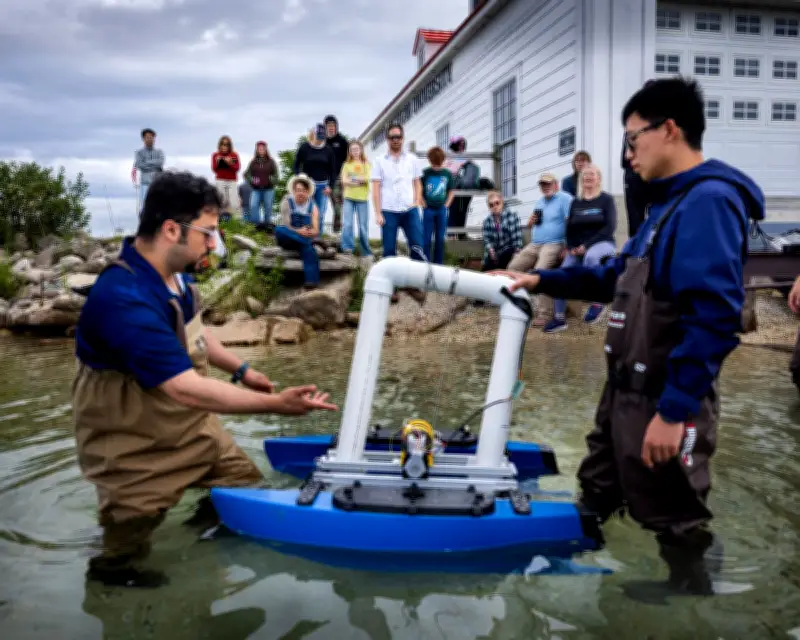
Beaver Island, a remote community in Lake Michigan, is set to become a testbed for wave energy technology, aiming to boost energy security and slash carbon emissions. The project, led by Michigan Technological University in partnership with local utility Great Lakes Energy, will deploy a wave energy converter off the island's coast, expected to generate up to 150 kilowatts of electricity—enough to power about 50 homes.
Currently, Beaver Island relies almost entirely on diesel generators for electricity, a costly and polluting source. Diesel must be shipped across the lake, making power expensive and vulnerable to supply disruptions. The new wave energy system promises to reduce diesel consumption by up to 40,000 gallons annually, cutting greenhouse gas emissions by more than 400 metric tons per year.
Technology and Implementation Details
The wave energy converter, developed by Swedish company Ocean Harvesting Technologies, uses a floating buoy that moves with wave motion to drive a generator. It will be anchored about a mile offshore in water depths of 30 meters. The project has received $2.5 million in funding from the U.S. Department of Energy's Water Power Technologies Office.

Installation is scheduled for spring 2027, with full operation expected by late 2027. The converter will connect to the island's existing microgrid, which also includes a small solar array and battery storage. Researchers will monitor the system's performance and environmental impacts over a three-year period.
Community and Energy Security Benefits
Beaver Island, home to about 600 year-round residents and thousands of summer tourists, has long sought to diversify its energy sources. The island's diesel generators can be unreliable during harsh winters when lake ice disrupts fuel deliveries. Wave power offers a consistent, local energy source, as Lake Michigan's waves are strongest in winter when energy demand peaks for heating.
"This project is a game-changer for our community," said Beaver Island Township Supervisor Sarah Thompson. "It reduces our dependence on imported fuel, lowers our carbon footprint, and provides a model for other remote communities around the Great Lakes."
Broader Implications for Renewable Energy
The Beaver Island project is one of several wave energy initiatives in the Great Lakes, which together hold an estimated wave energy potential of 20 gigawatts—enough to power millions of homes. Unlike ocean waves, Great Lakes waves are generally smaller but more predictable, making them suitable for small-scale, community-based systems.
If successful, the technology could be deployed in other off-grid communities across the region, including islands and remote coastal areas. The project also aims to lower the cost of wave energy, which remains higher than wind and solar but offers the advantage of 24/7 availability.
According to the U.S. Department of Energy, wave energy could supply up to 10% of the nation's electricity by 2050 if deployed widely. Projects like Beaver Island are critical stepping stones to achieving that goal.