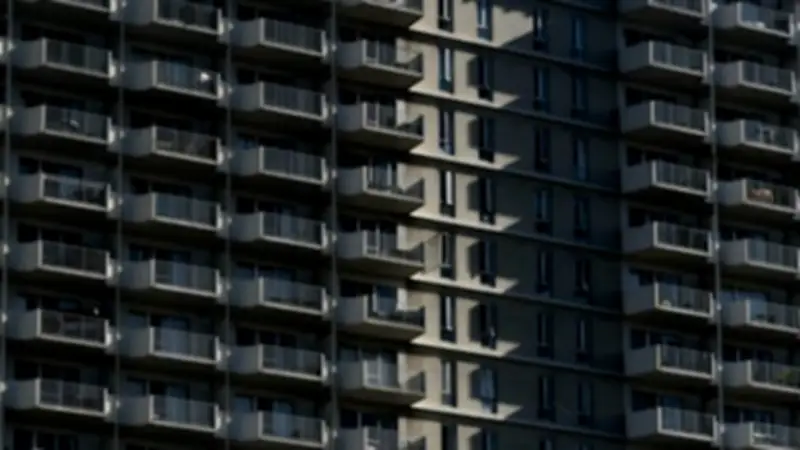
By 2050, many Sydney apartments built to today's standards could be too hot for weeks at a time, according to new research published in the journal Energy and Buildings. The study, which used the latest climate projections for Sydney, found that apartments in inner-city Redfern could be uncomfortably hot for about four weeks a year, while those in Western Sydney's Penrith could face more than seven weeks of indoor overheating.
Record heat and a hotter future
Sydney is no stranger to extreme heat. In January 2020, Penrith reached 48.9°C, the highest temperature ever recorded in Greater Sydney. By the 2050s, under a high greenhouse gas emissions scenario (SSP3–7.0), Sydney's median outdoor temperatures could be up to 5°C higher in hotter inland areas, with hot days becoming longer and more frequent. The study warns that apartments built to current building codes may become very uncomfortable far more often, with indoor temperatures staying above 30°C for several consecutive days.
Design flaws and unequal risks
Design plays a critical role in indoor overheating. West-facing homes receive intense afternoon sun, while top-floor apartments absorb heat radiating through the roof. Many apartments lack cross-ventilation, and others have windows too small to remove built-up heat. The threat is faced unequally: older people, poorer communities, and those with chronic illnesses are most at risk. People in Penrith could face almost twice as much overheating as those in Redfern.

Air conditioning is not a reliable solution
Air conditioning (AC) is not always an option. Renters, elderly residents, and low-income households—who make up much of western Sydney's growing apartment population—may face barriers. Some renters may not be allowed to install AC, and even where it is installed (it is not mandatory in new builds), not everyone can afford to run it. A national longitudinal study estimated that about one in 14 Australian households (around 7%) already spends more than 10% of their income on energy bills. A survey of over 1,000 Australians found that 49.7% of households resist using AC on hot days to save on electricity bills.
Running AC during extreme heat also strains the electricity grid. On hot summer days, NSW peak electricity demand can surge above 13,000 megawatts, well above the state's average operational demand of around 7,700 megawatts, increasing the risk of blackouts. During a blackout, even homes with AC may lose cooling when needed most. AC units also release heat outdoors, making hot neighbourhoods even hotter.
Building codes need to change
The solution starts with building standards. Australia's current construction code focuses on predicted energy use for heating and cooling based on historical weather data, not the warmer climate those buildings will face. Standards should test how long a home can stay at safe temperatures in a warmer future, especially during heatwaves, without relying on AC—a concept known as "passive survivability." The researchers recommend two key changes: first, new apartments should be tested against a range of future climates, including longer and more intense heat periods; second, standards should set a minimum time a home must stay safe without AC and provide practical guidance on how to achieve this.
Design changes that cut the risk
Adding more insulation alone is insufficient. However, several design changes can make a real difference. External window shades block sunlight before it heats the apartment, reducing the time apartments are too warm by up to 32%. Safe night-time ventilation—windows that can be left open overnight—lets trapped heat escape after sunset, reducing overly warm hours by up to 34%, especially in Penrith. Lighter roof colours also help protect top-floor apartments. Combining these measures with double-glazed windows and insulation cut the risk of Sydney apartments becoming too hot in the 2050s by up to 94%.

Broader implications
Australia needs more apartments, but homes approved today must protect people decades from now. Building codes need to change so the country's growing apartment stock stays safe, liveable, and resilient in a hotter future. While the study focused on Sydney, the findings likely apply across many other parts of Australia and the region. Planning for new developments should also combine urban-scale heat mitigation measures—such as urban greening, light-coloured or reflective materials for roofs, roads, and pavements, providing shade for built surfaces, and designing with water—with building adaptation to offset the impacts of climate change.