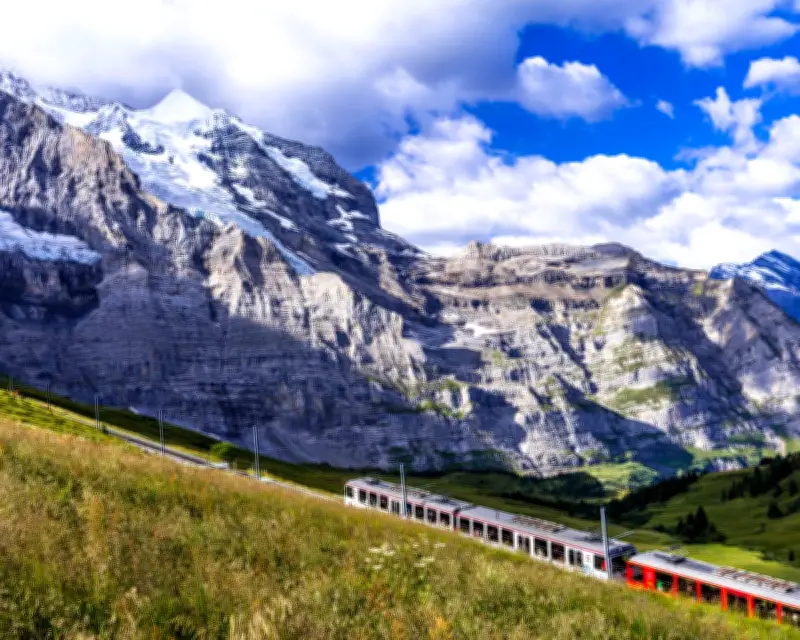
Switzerland's glaciers are experiencing unprecedented melting of snow and ice as a relentless heatwave grips the Alps, according to glaciologists monitoring the region. Matthias Huss, a leading Swiss glaciologist and head of the Swiss Glacier Monitoring Network (GLAMOS), warned that the current melt rates are among the highest ever recorded for this time of year.
Record Melt Rates Observed
Data from monitoring stations across the Swiss Alps show that glacier melt has accelerated dramatically since early June, with some sites losing up to 5 centimeters of ice thickness per day. This rate is roughly double the long-term average for the same period. The heatwave, which has pushed temperatures above 30°C in many Alpine valleys, has caused the snowline to retreat to elevations above 3,500 meters, leaving vast expanses of bare ice exposed.
Impact on Glaciers and Water Supply
Huss explained that the combination of high temperatures and low winter snowfall has created a perfect storm for glacier melt. "This year, we have very little snow cover left on the glaciers, so the dark ice is absorbing more solar radiation, accelerating the melt," he said. The rapid loss of ice poses risks to water supplies in summer, as glaciers act as natural reservoirs, releasing meltwater gradually. Reduced glacier mass could lead to water shortages in downstream regions later in the season.

Long-Term Consequences
The ongoing melt contributes to sea-level rise and threatens Alpine ecosystems. Swiss glaciers have lost more than half their volume since the 1930s, and the current heatwave could push many to the brink of disappearance. "If such extreme events become more frequent, many smaller glaciers will not survive the coming decades," Huss added. The Swiss government has stepped up monitoring efforts, but experts say only drastic emissions reductions can slow the trend.